181_ph_04-1
181_ph_05-1
181_dwg_06-4
181_ph_05-4
181_ph_06-9
181_ph_04-2
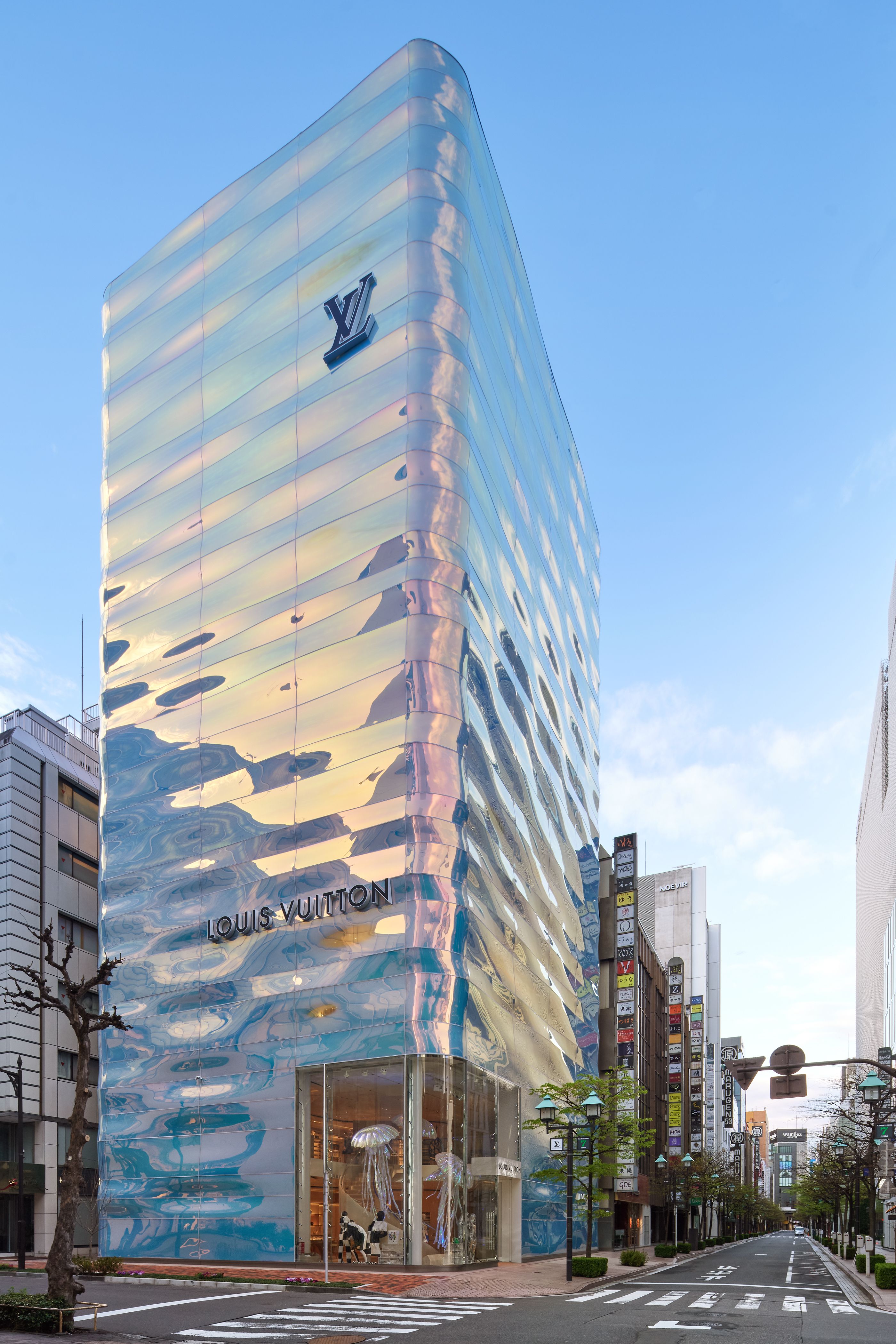
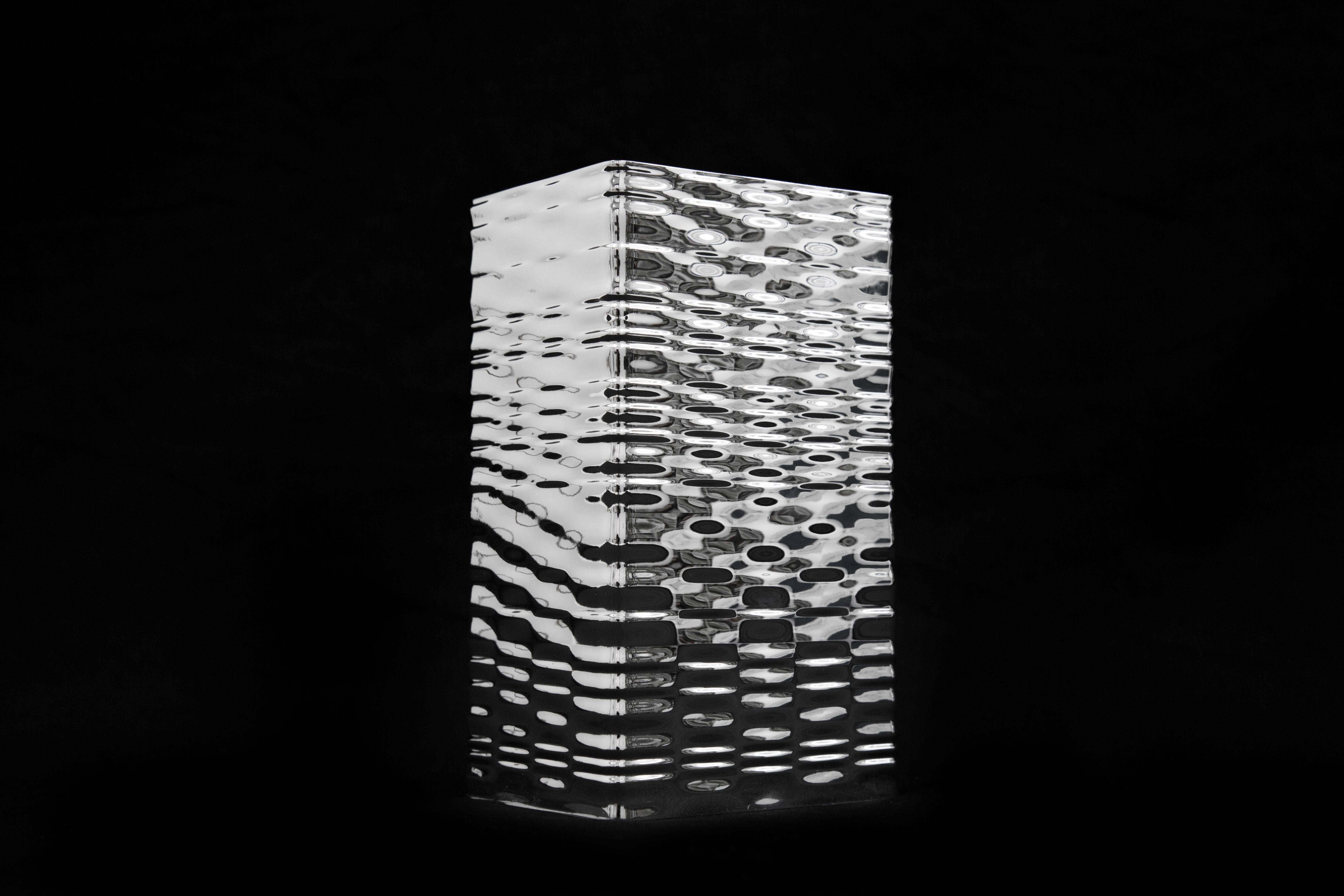
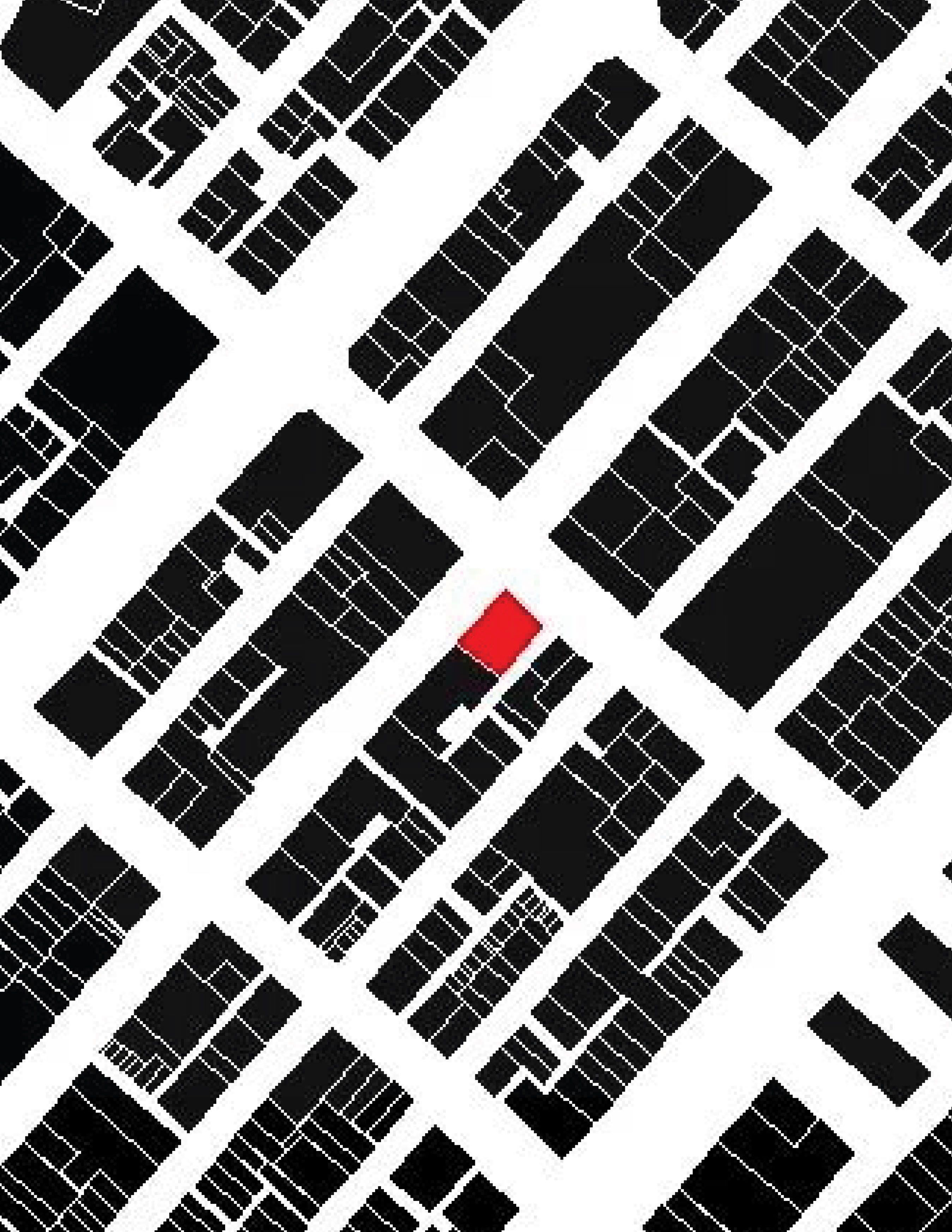
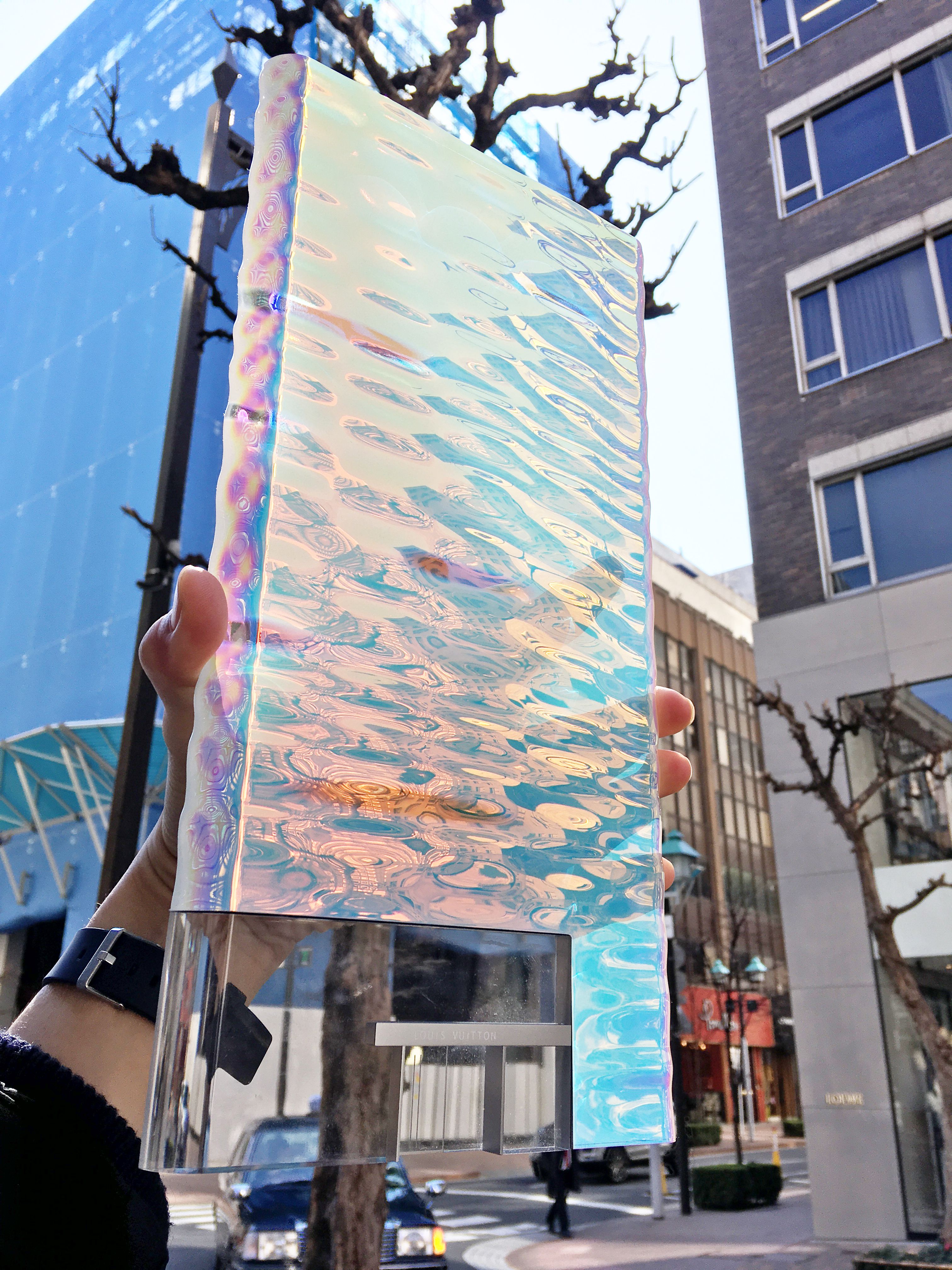
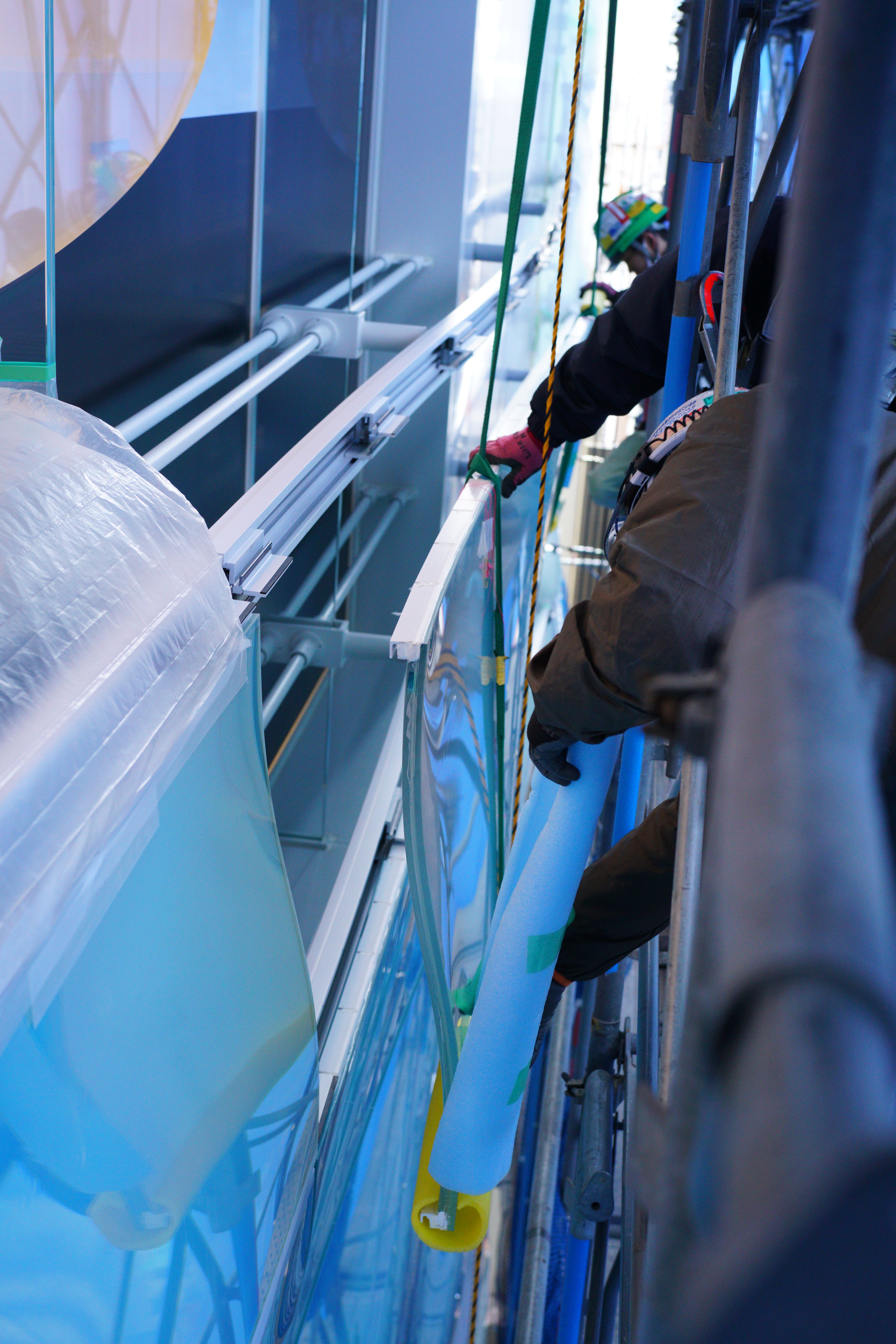
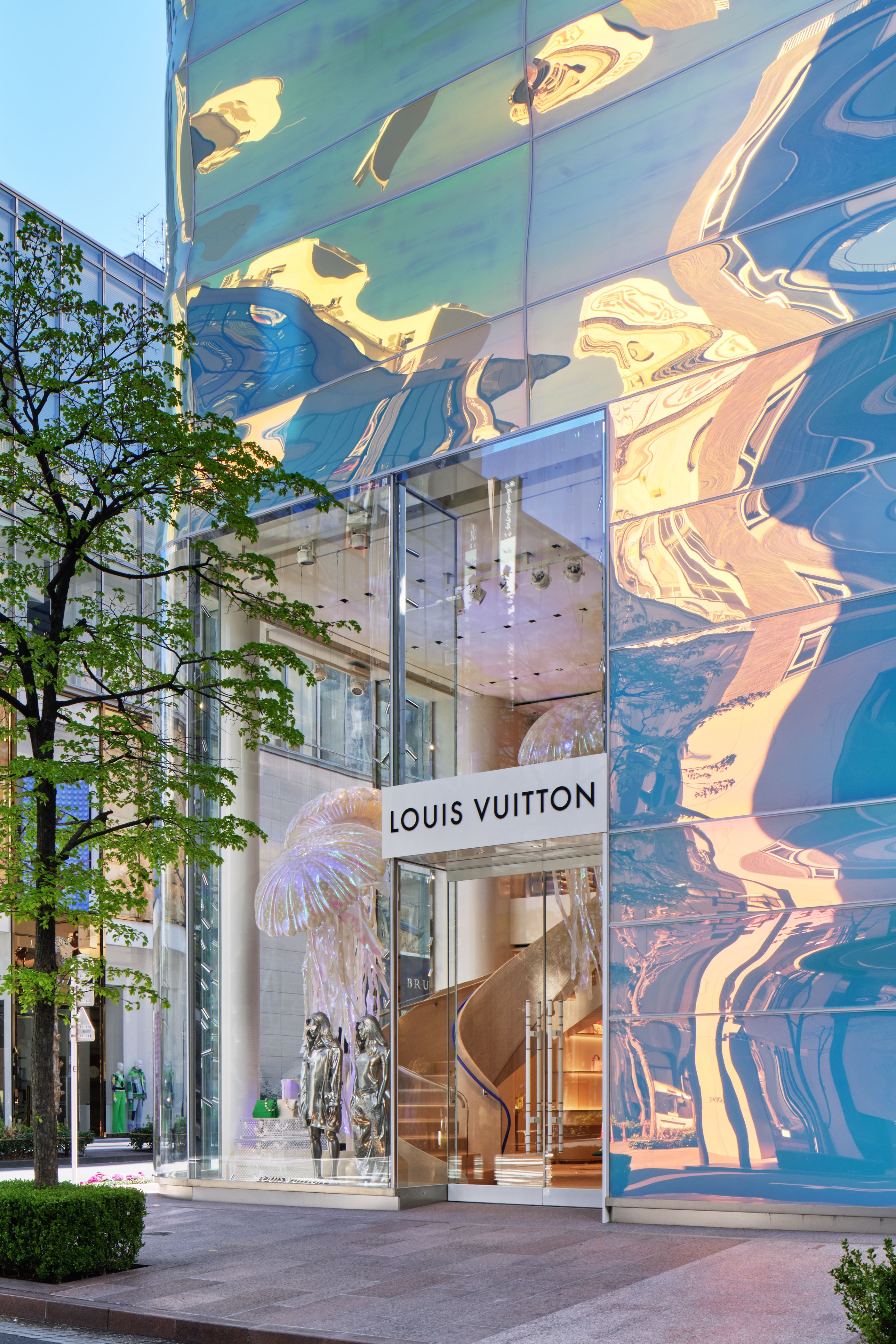
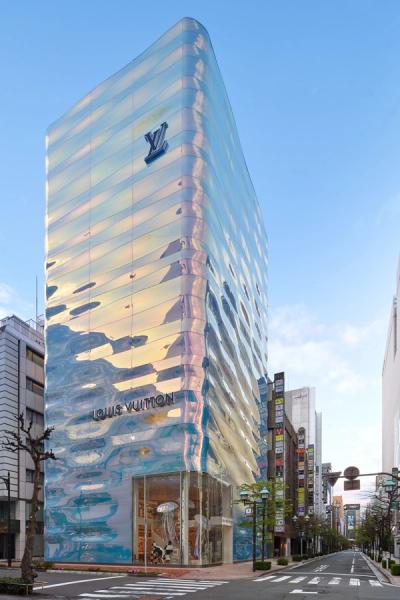
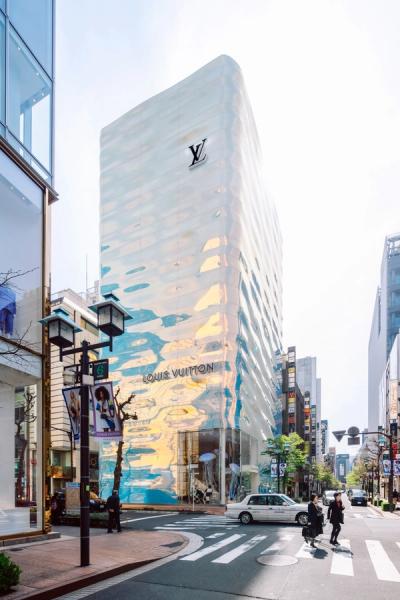
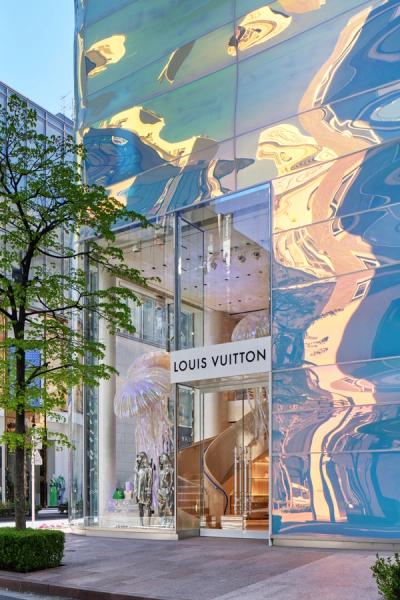
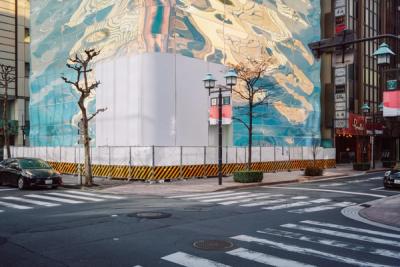
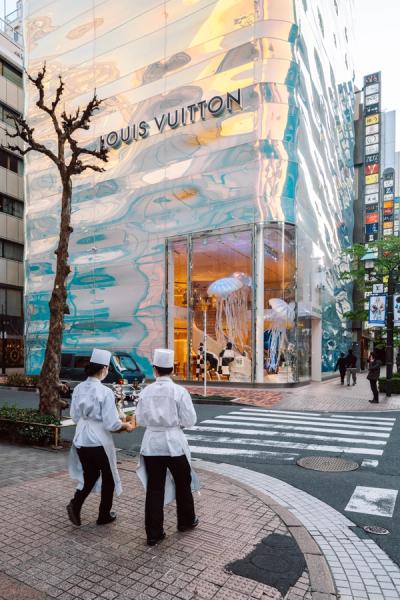
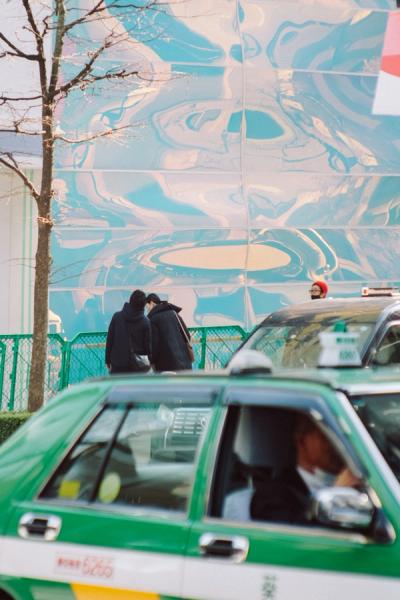
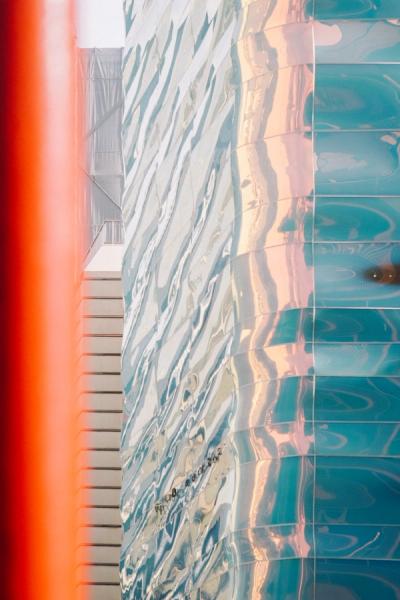
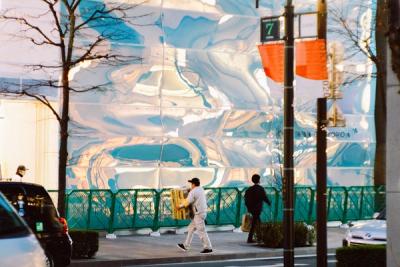
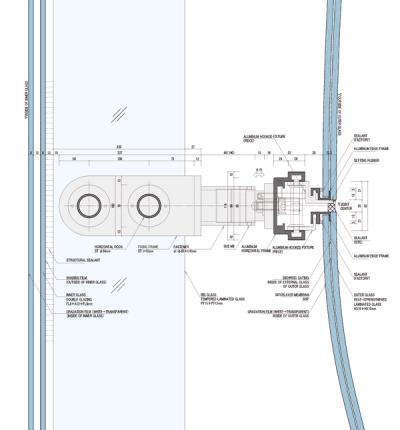
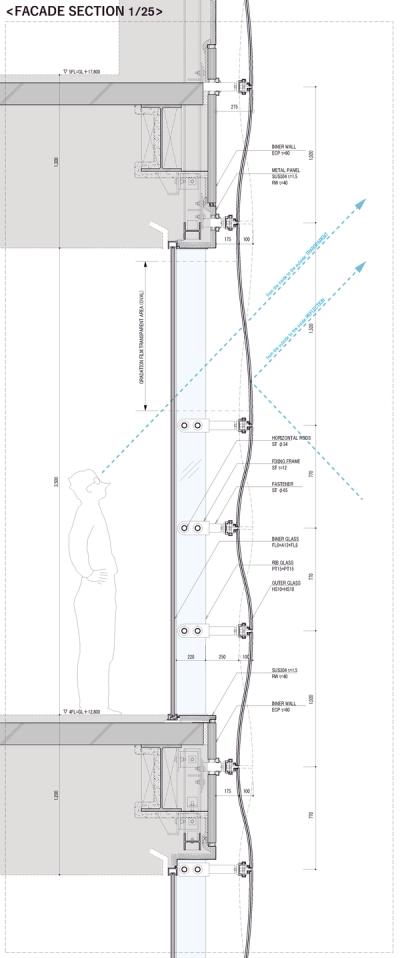
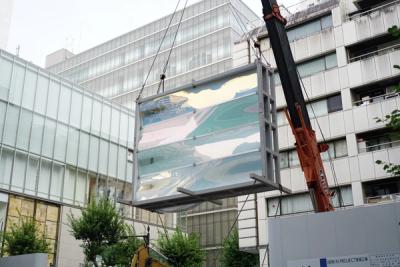
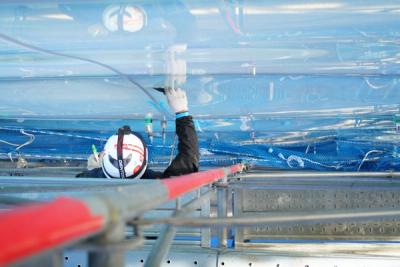
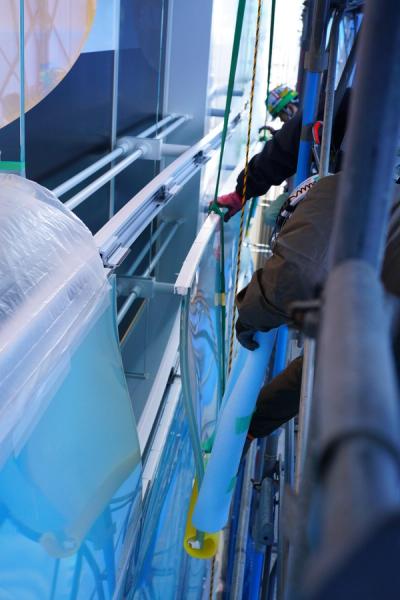
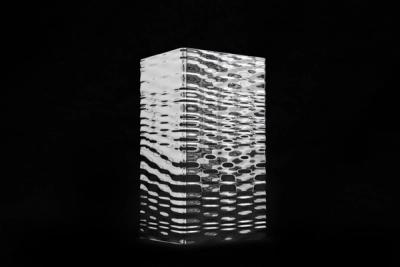
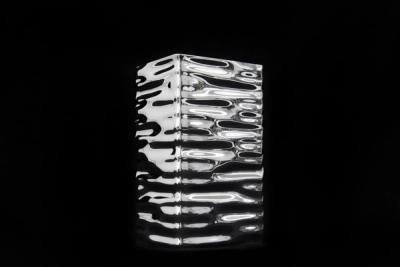
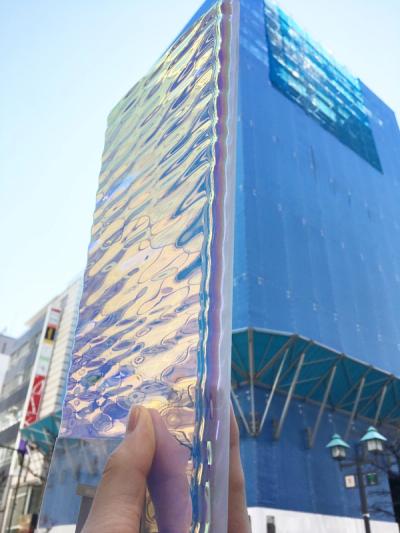
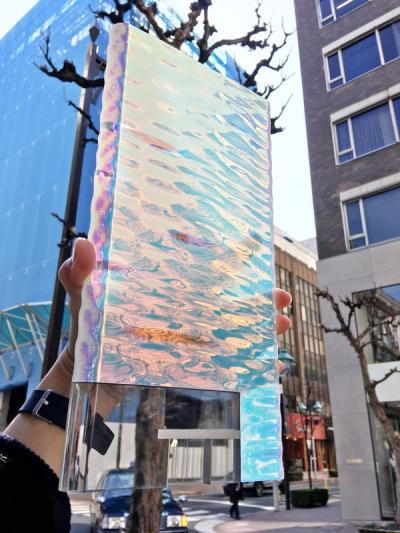
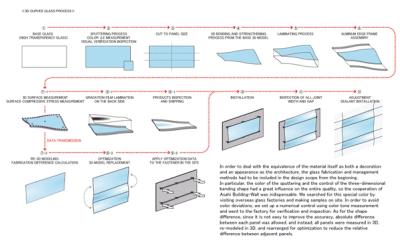
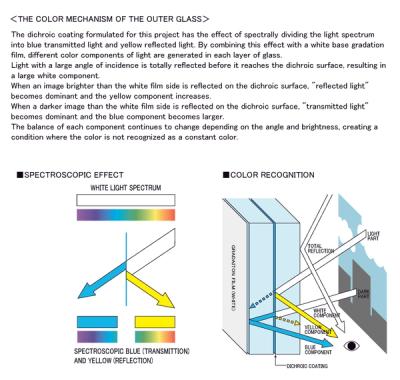
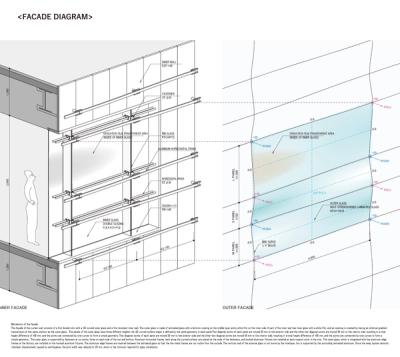
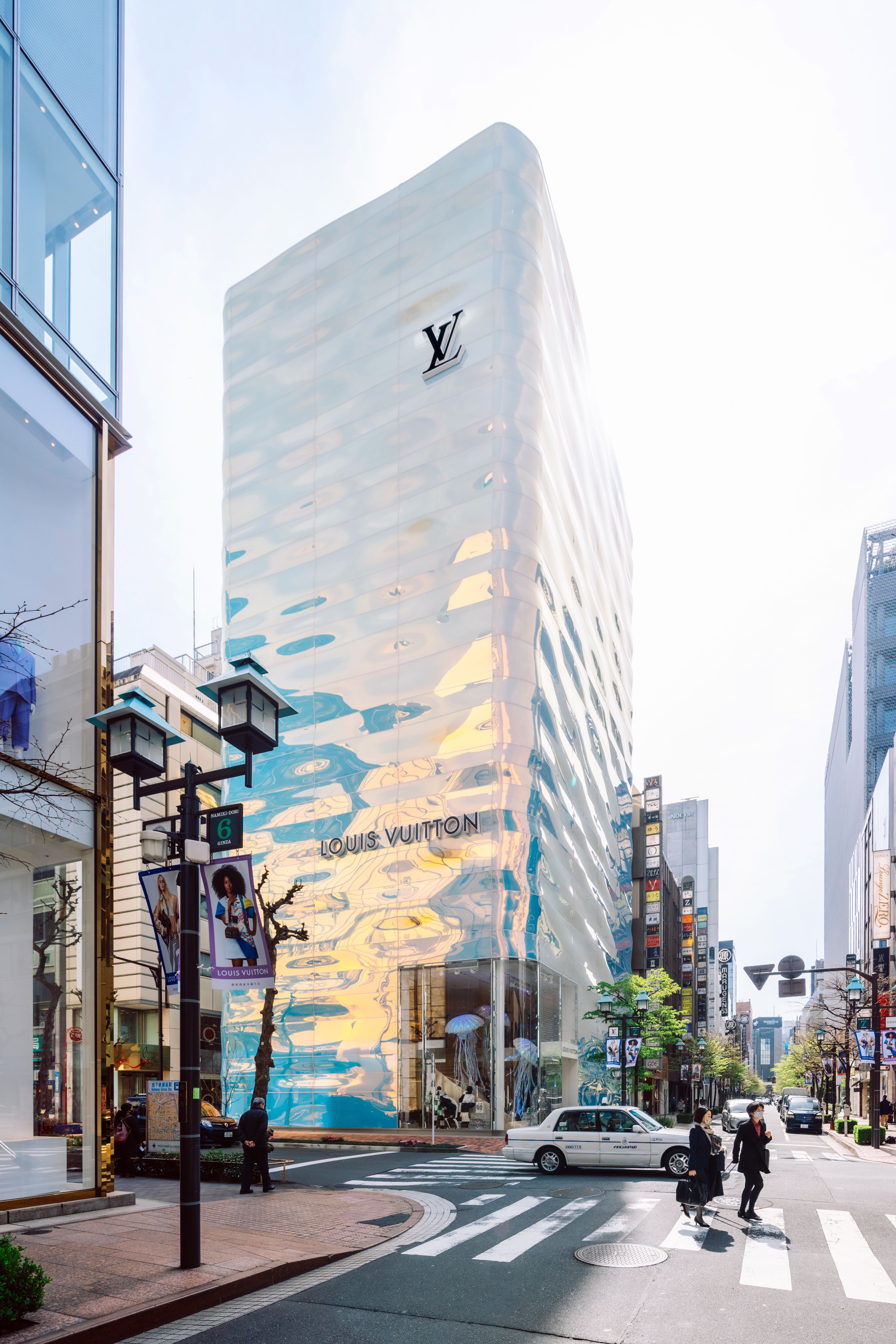
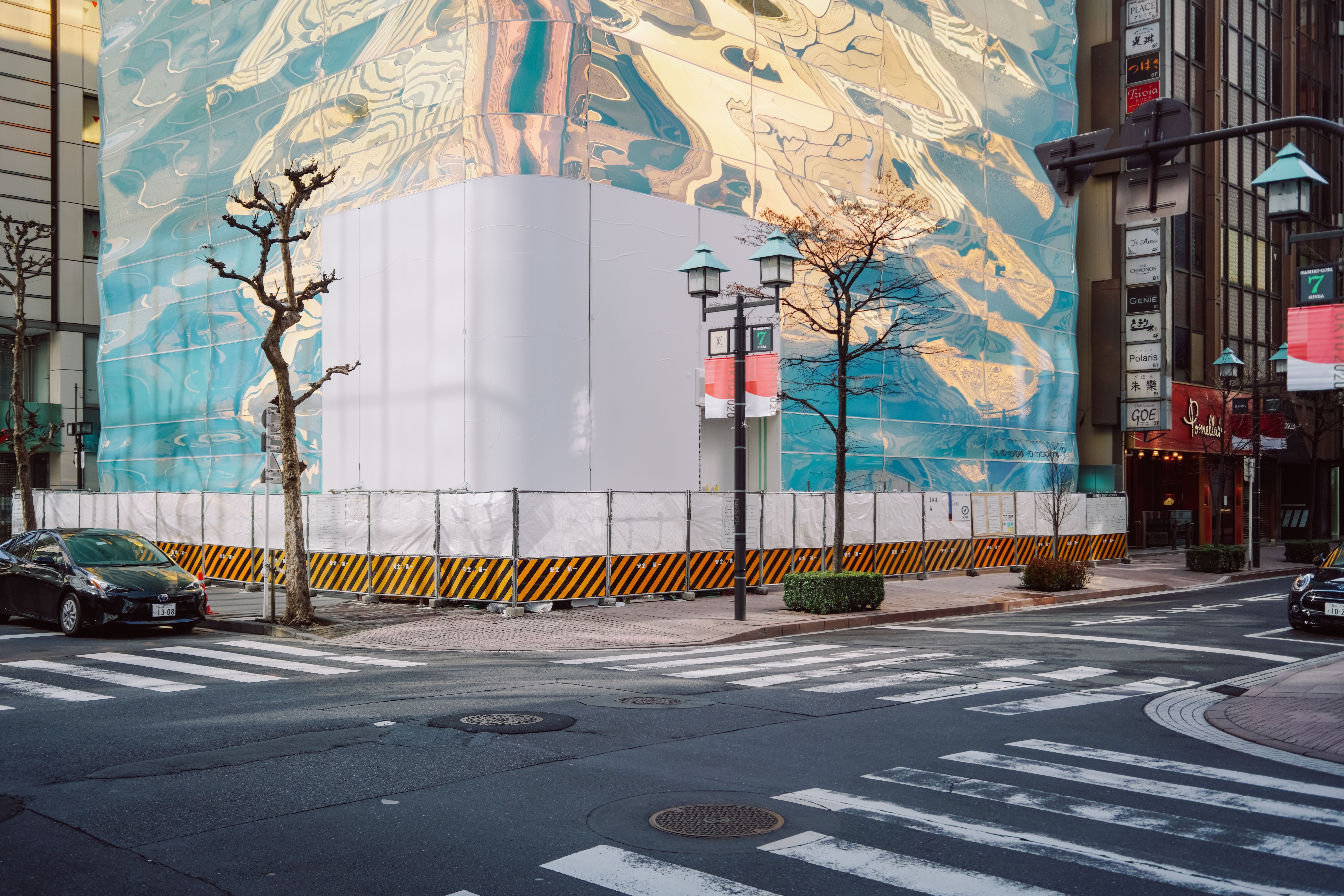
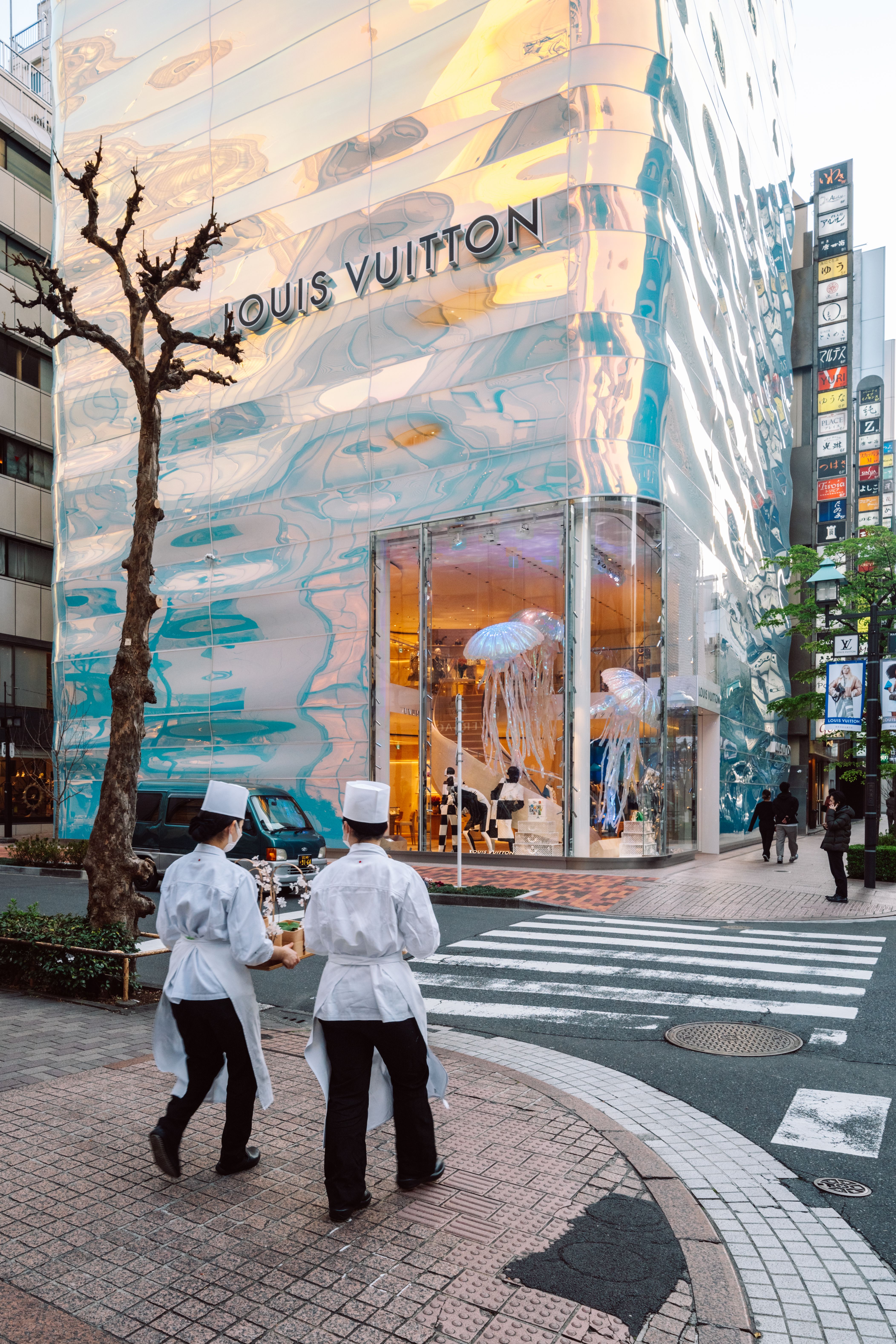
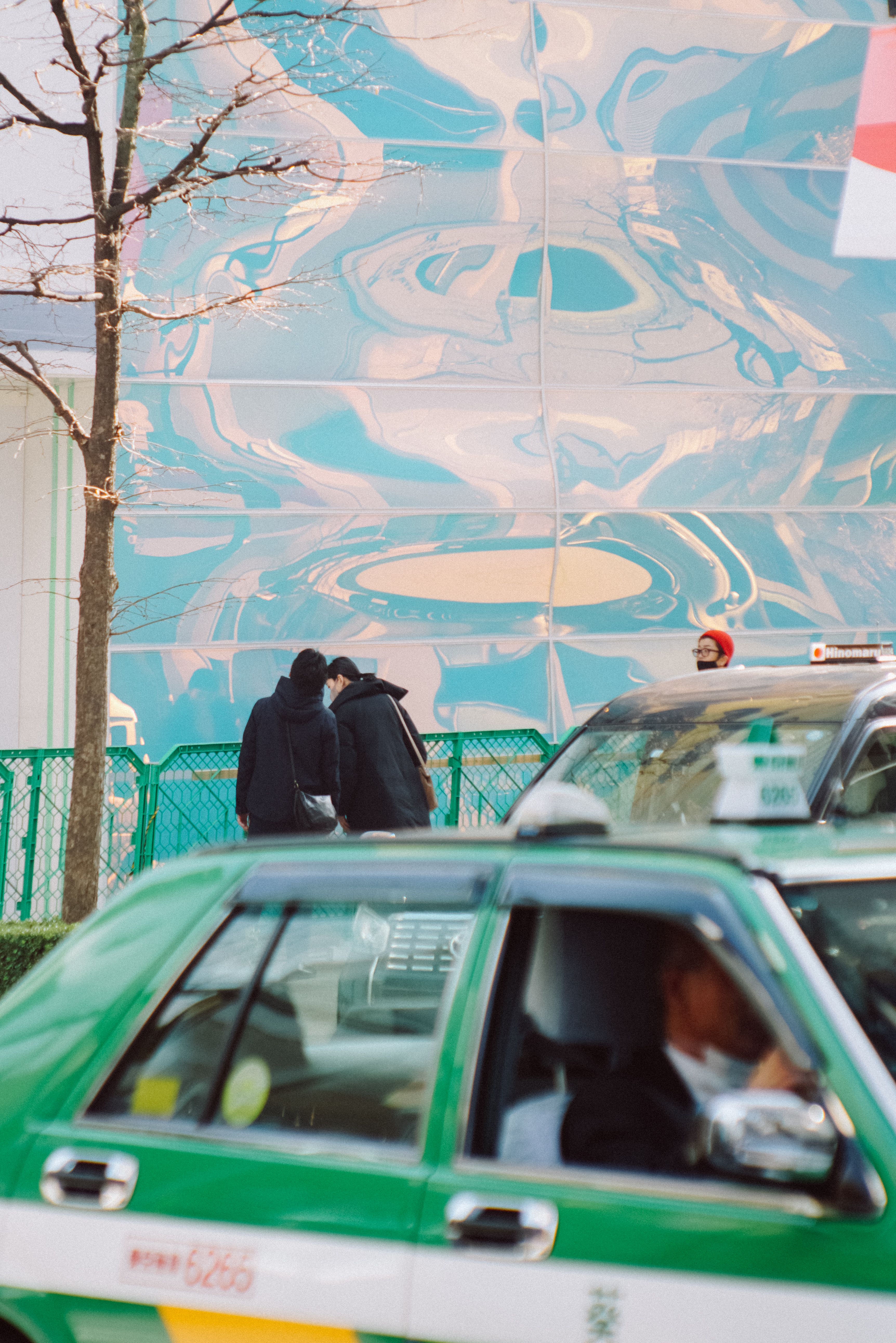
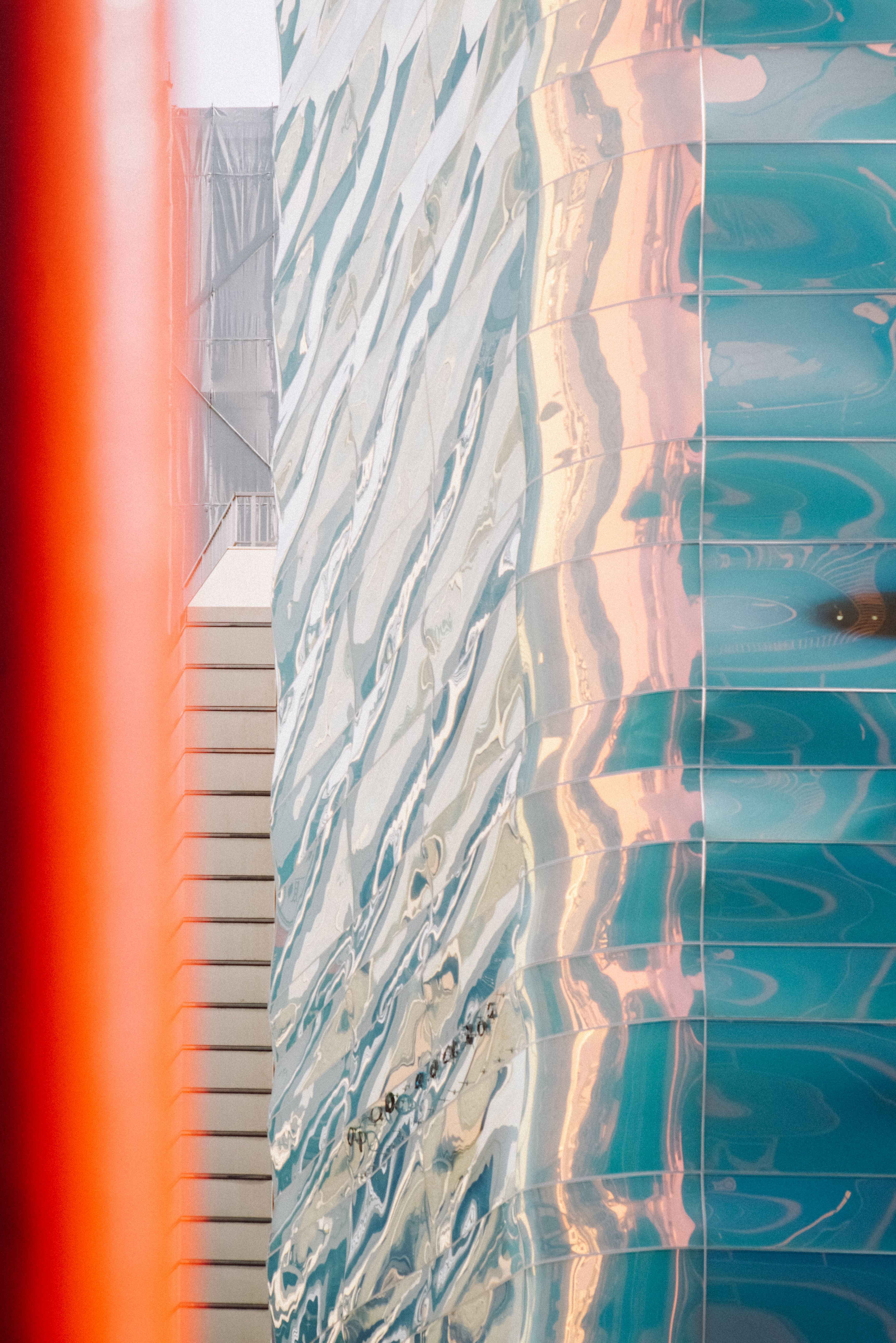
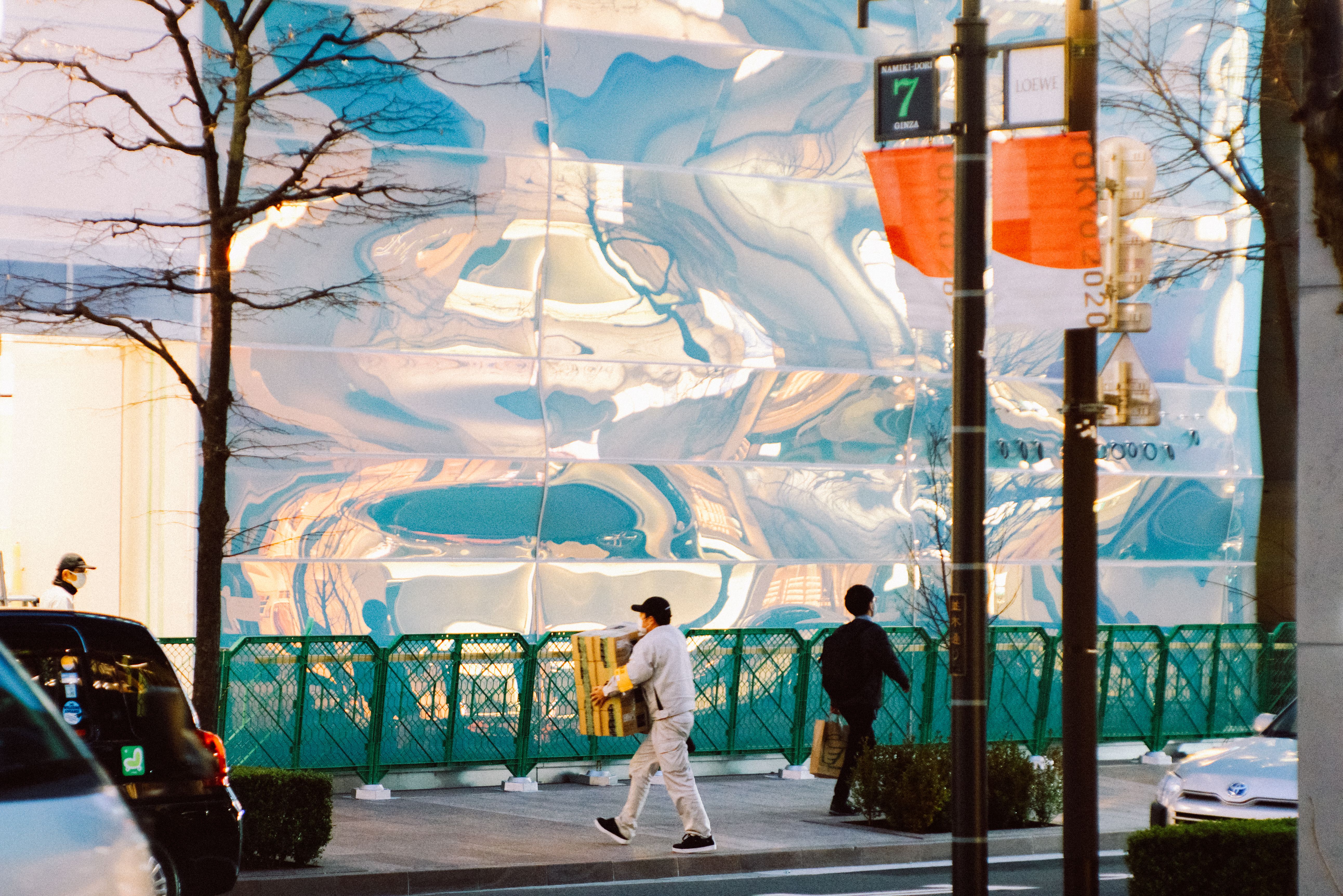
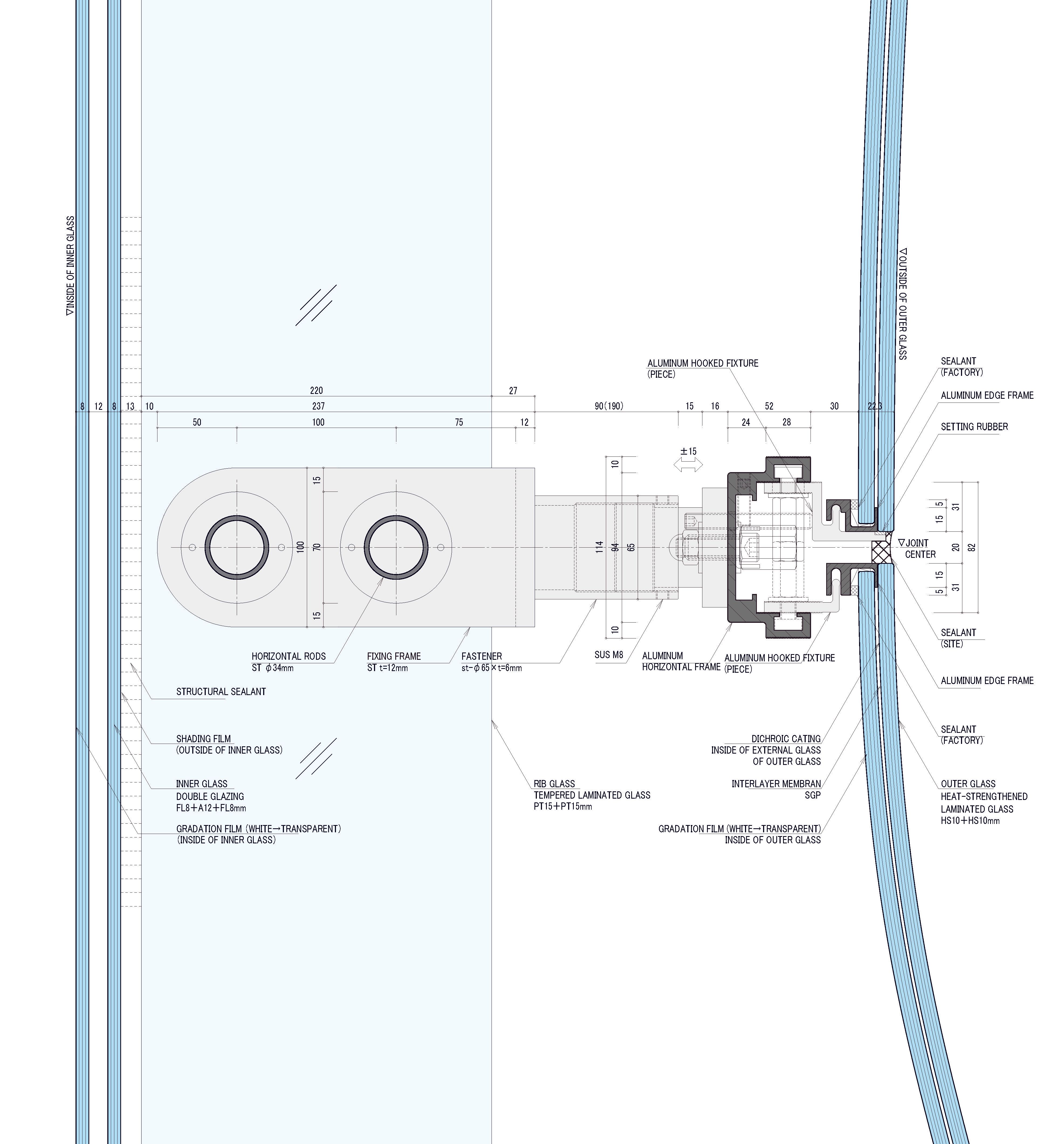
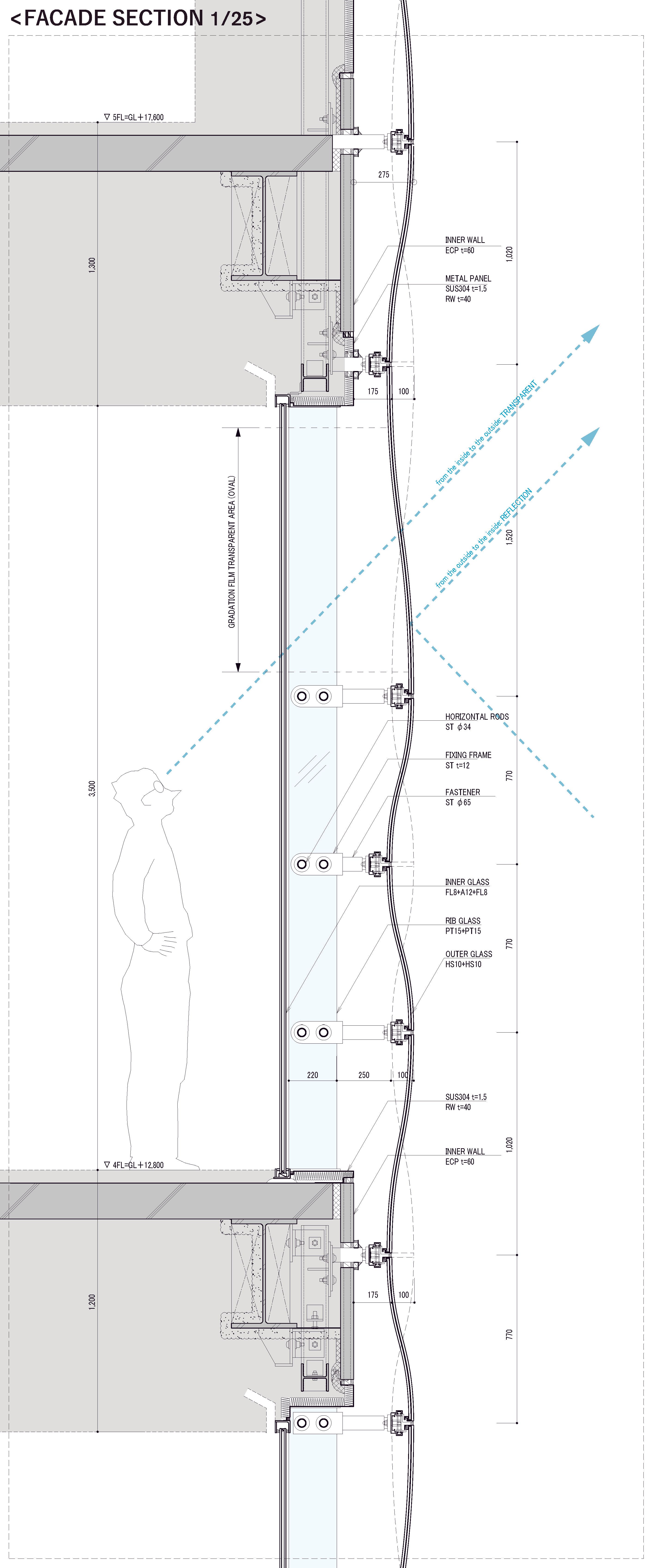
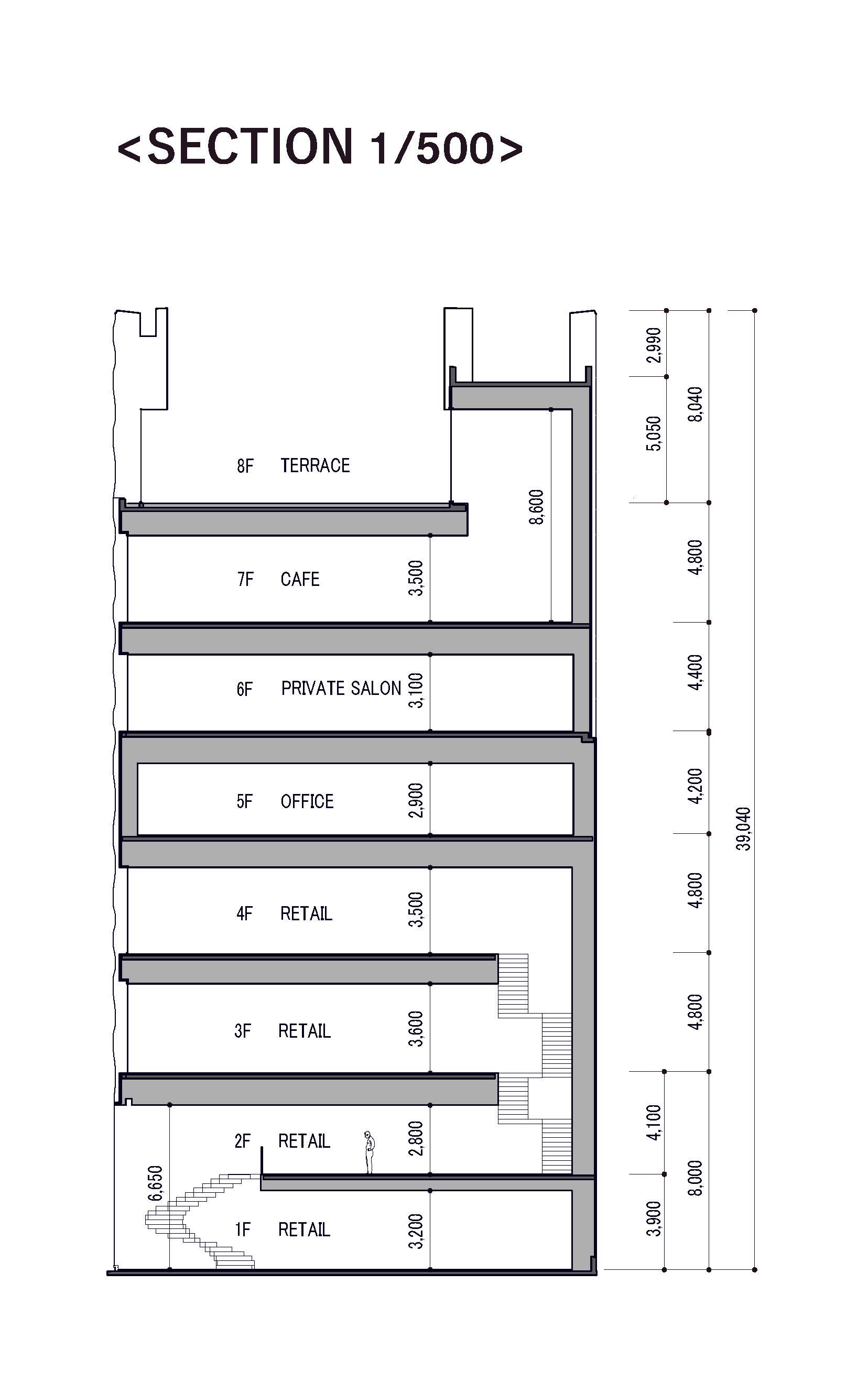
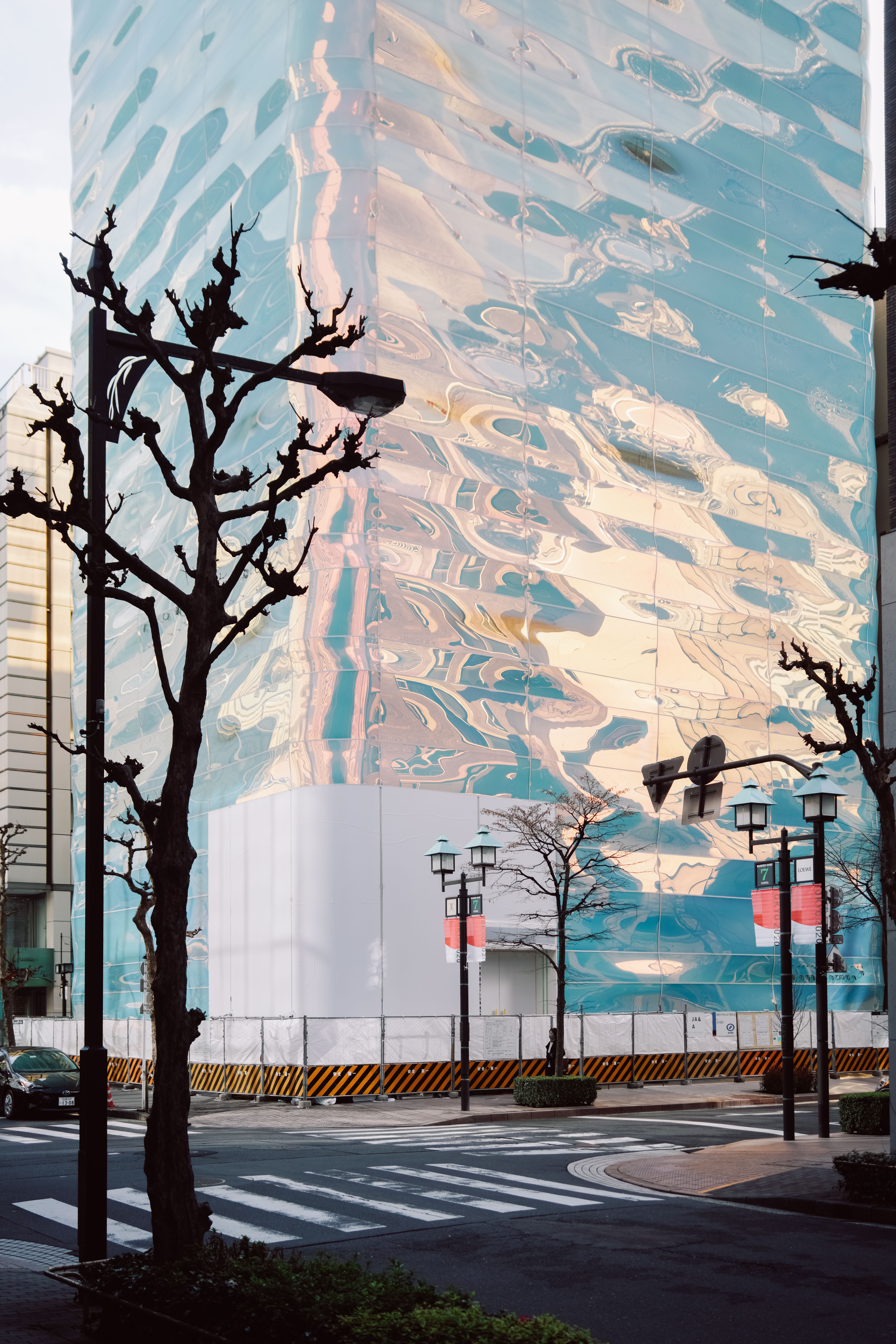
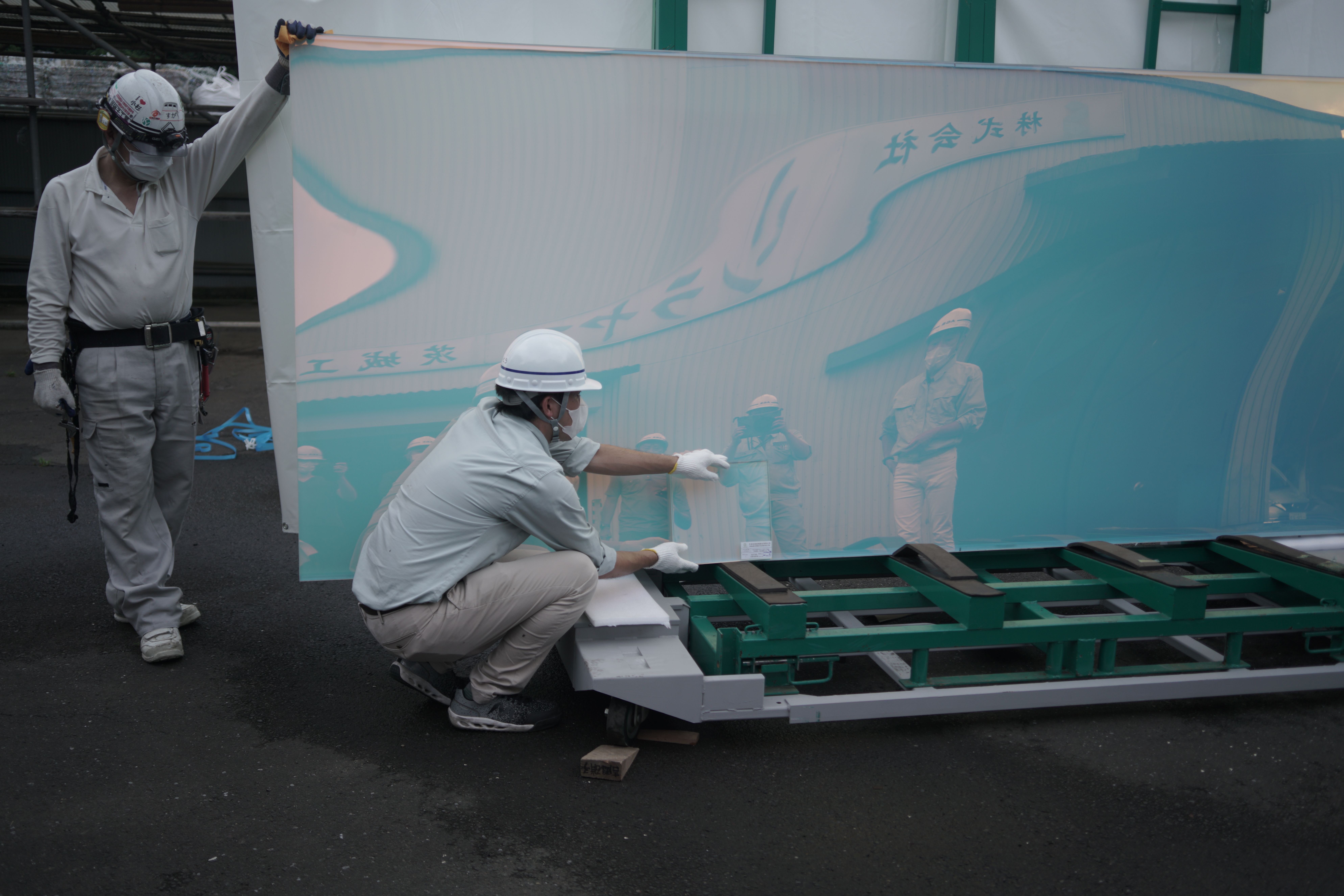
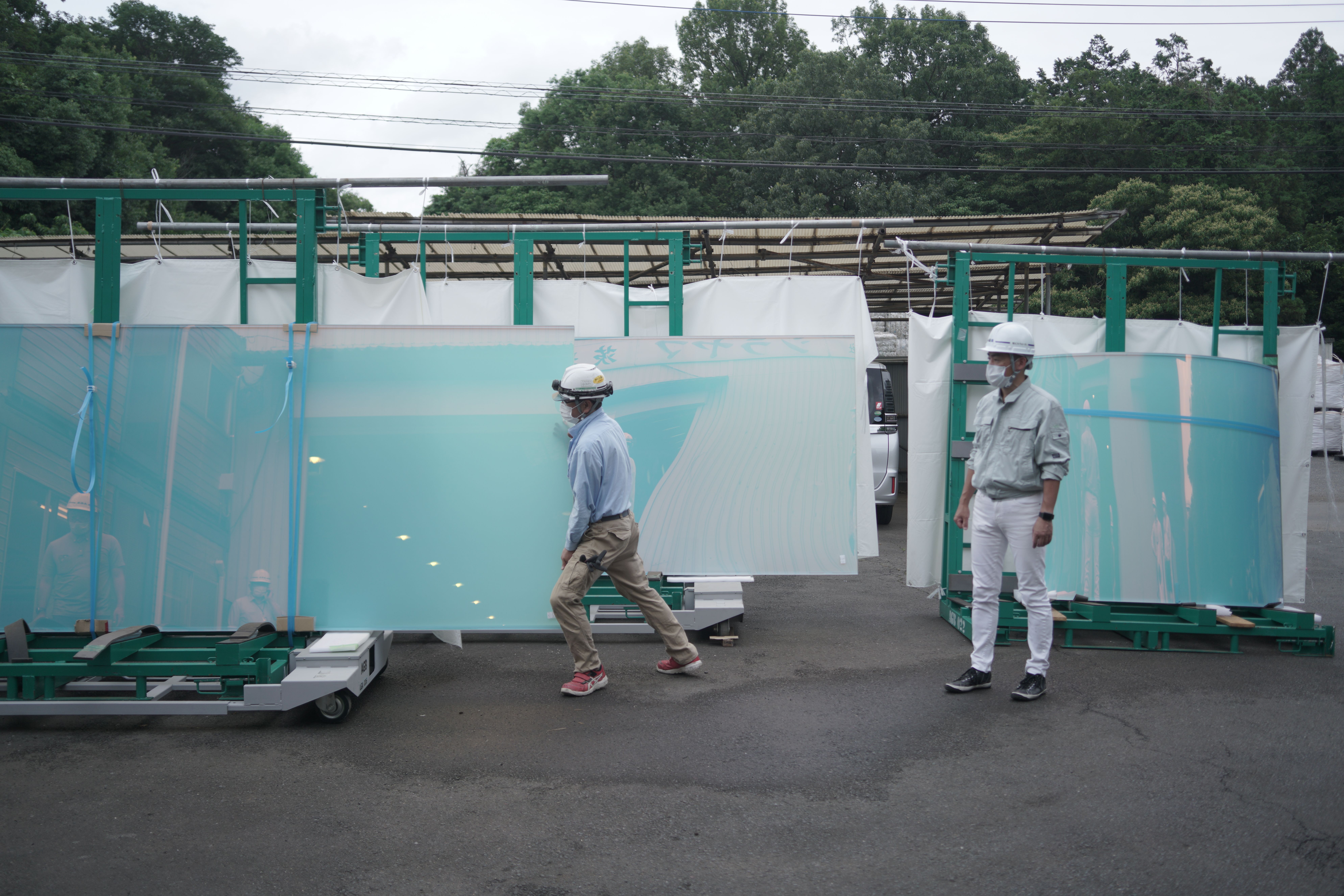
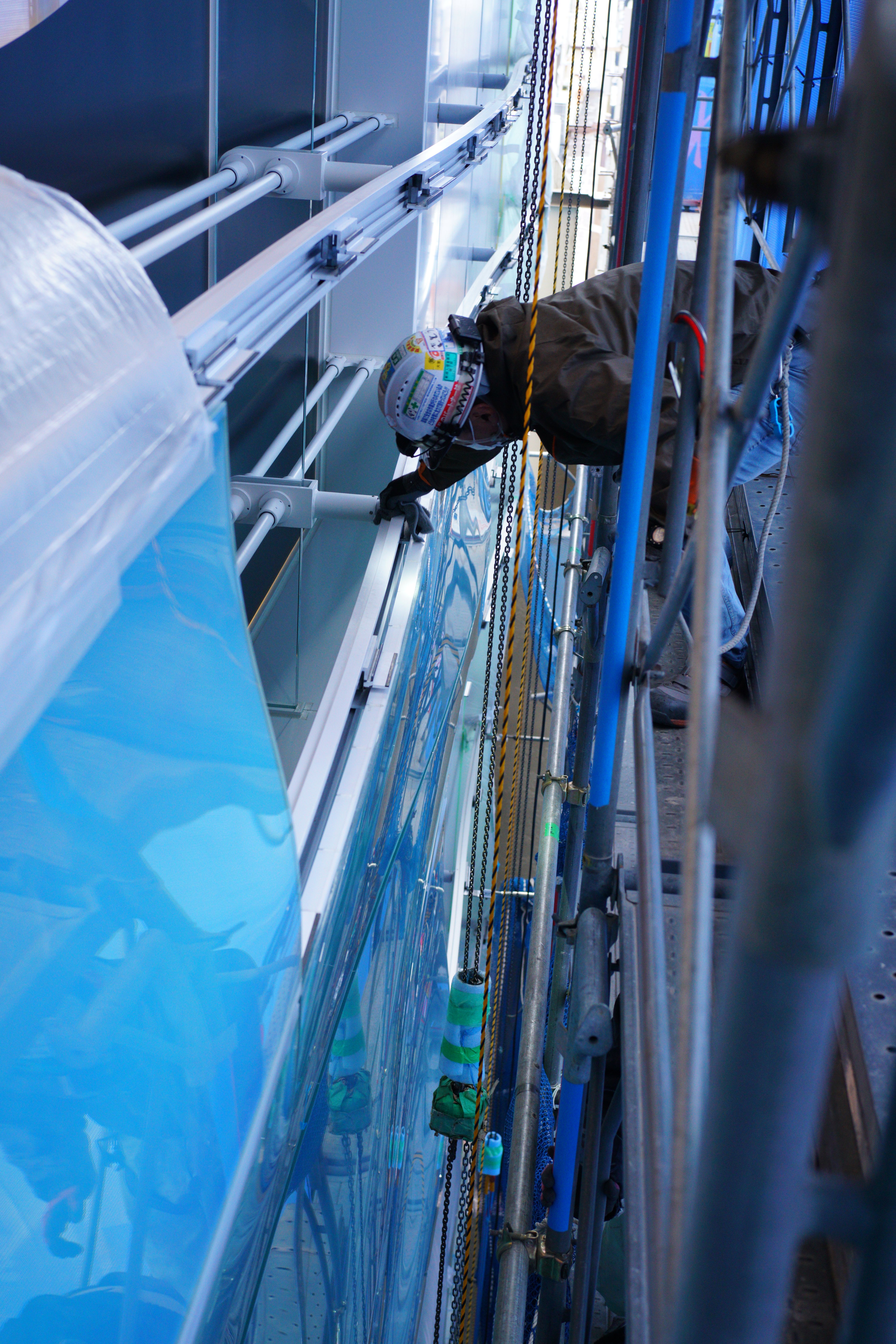
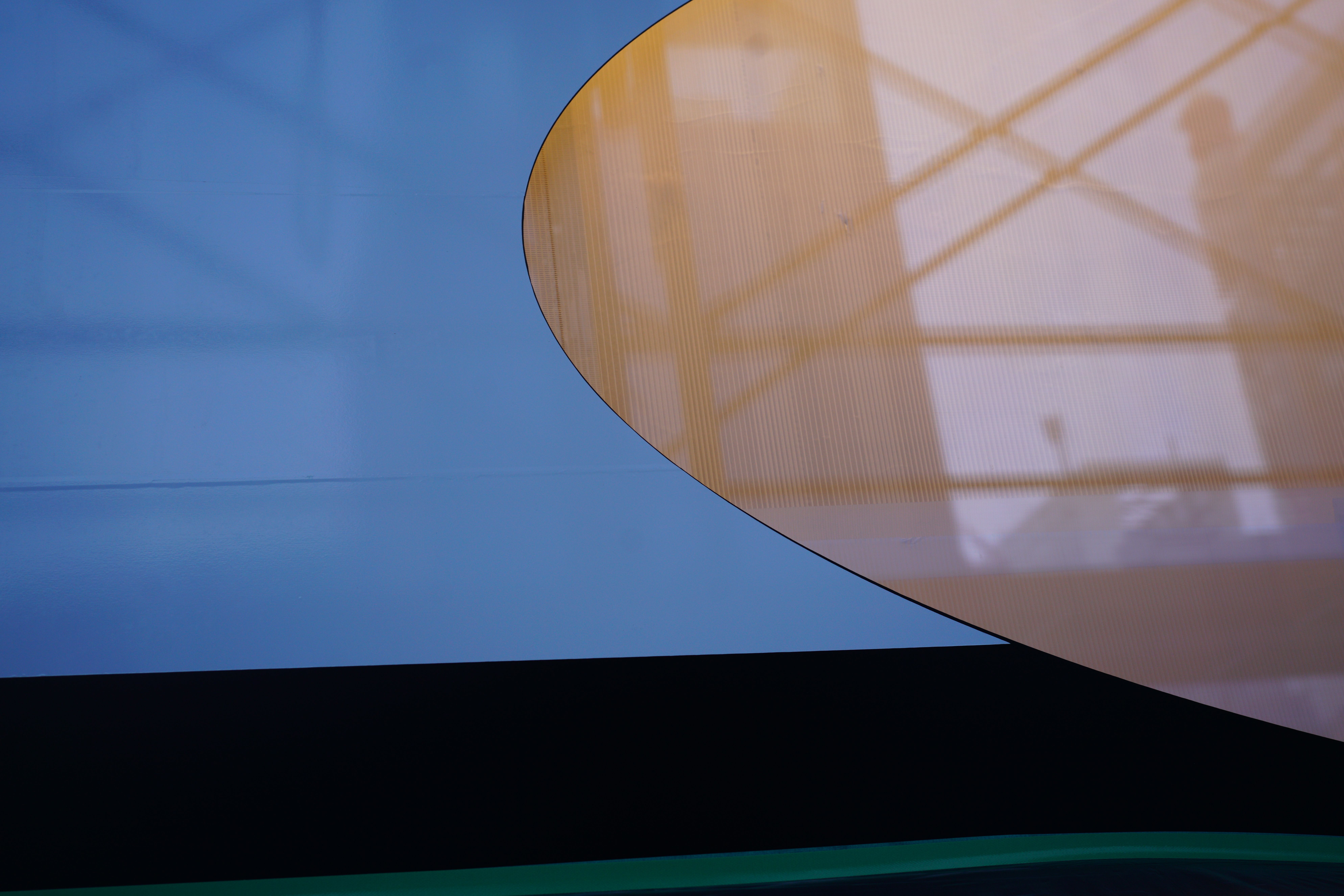
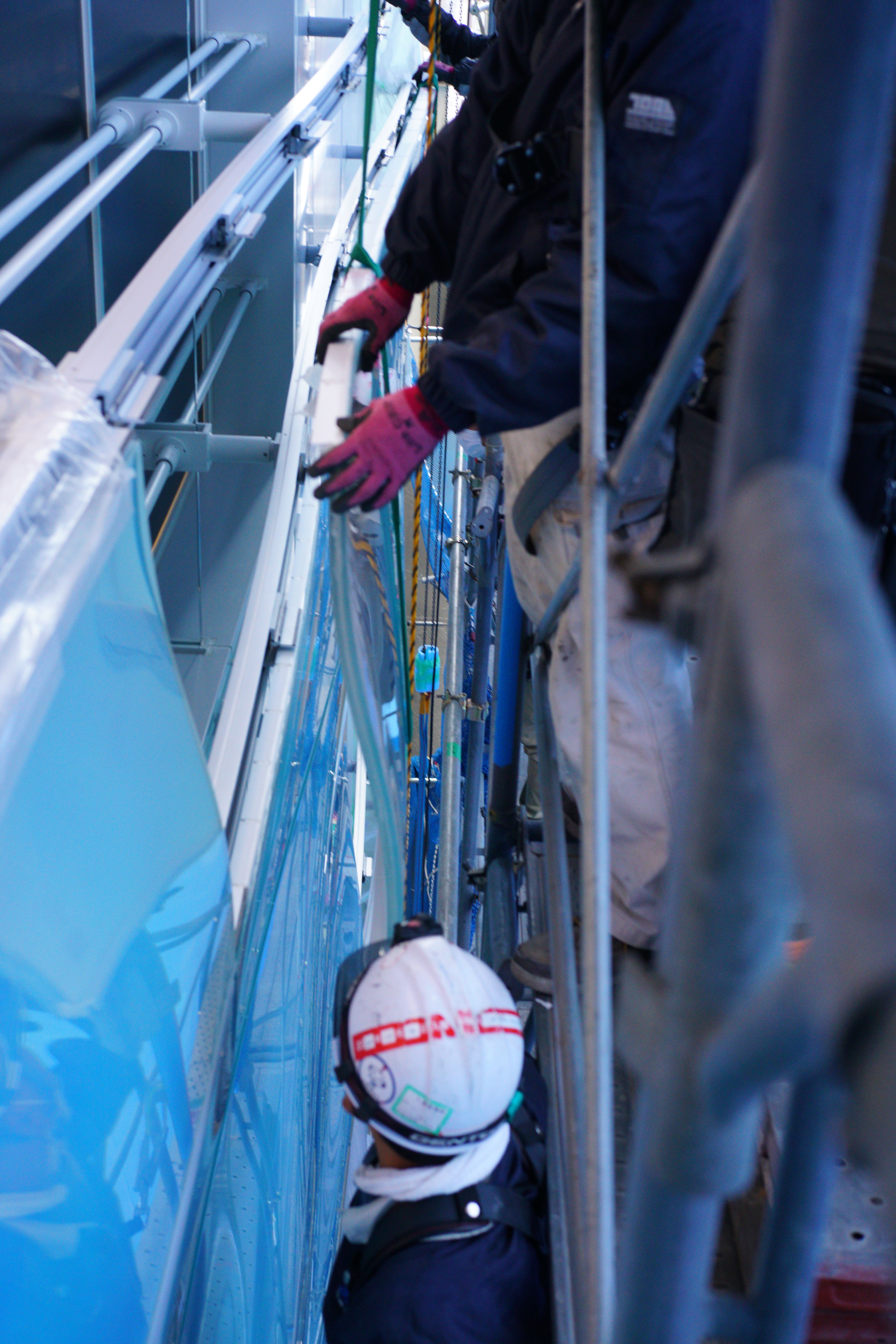
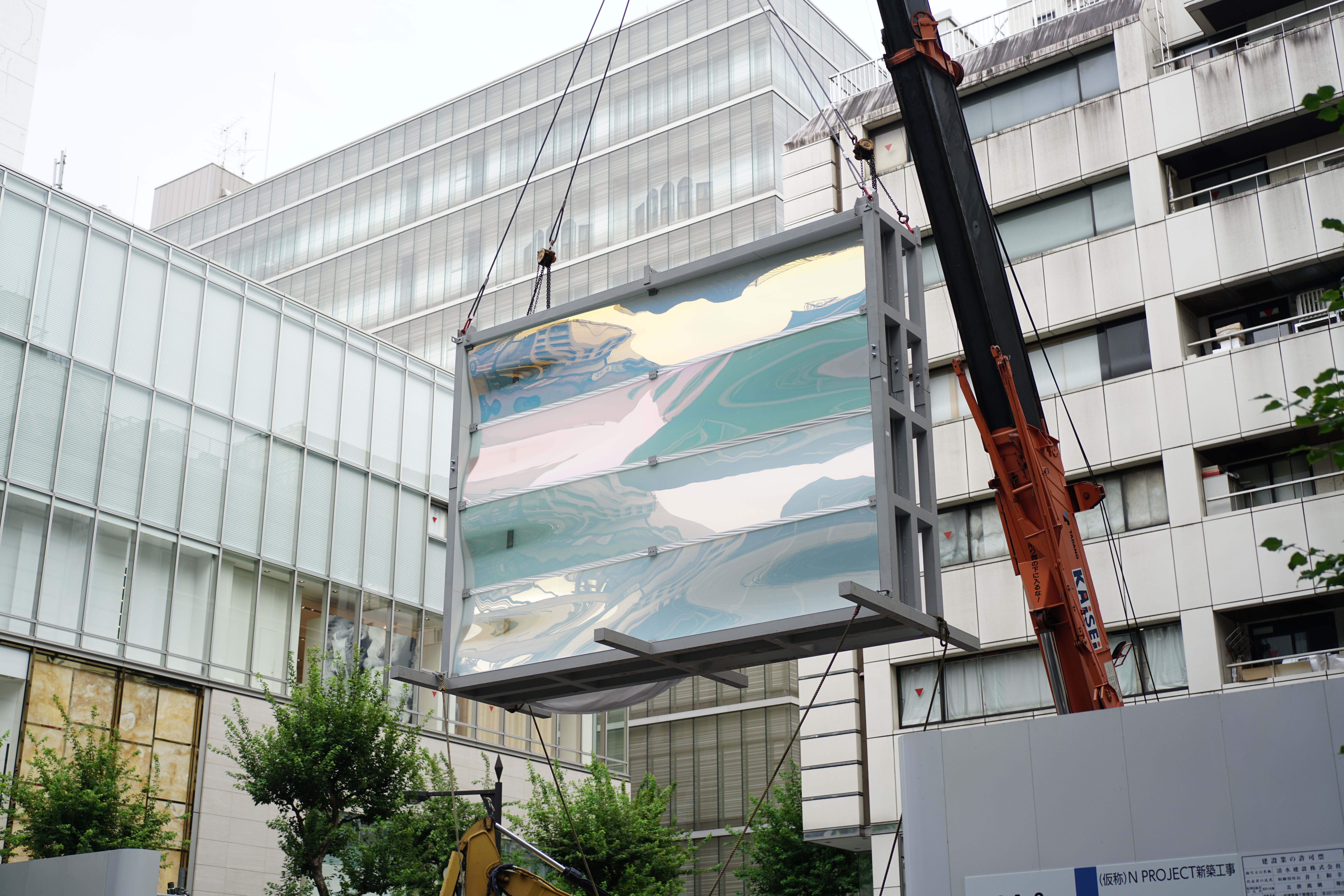
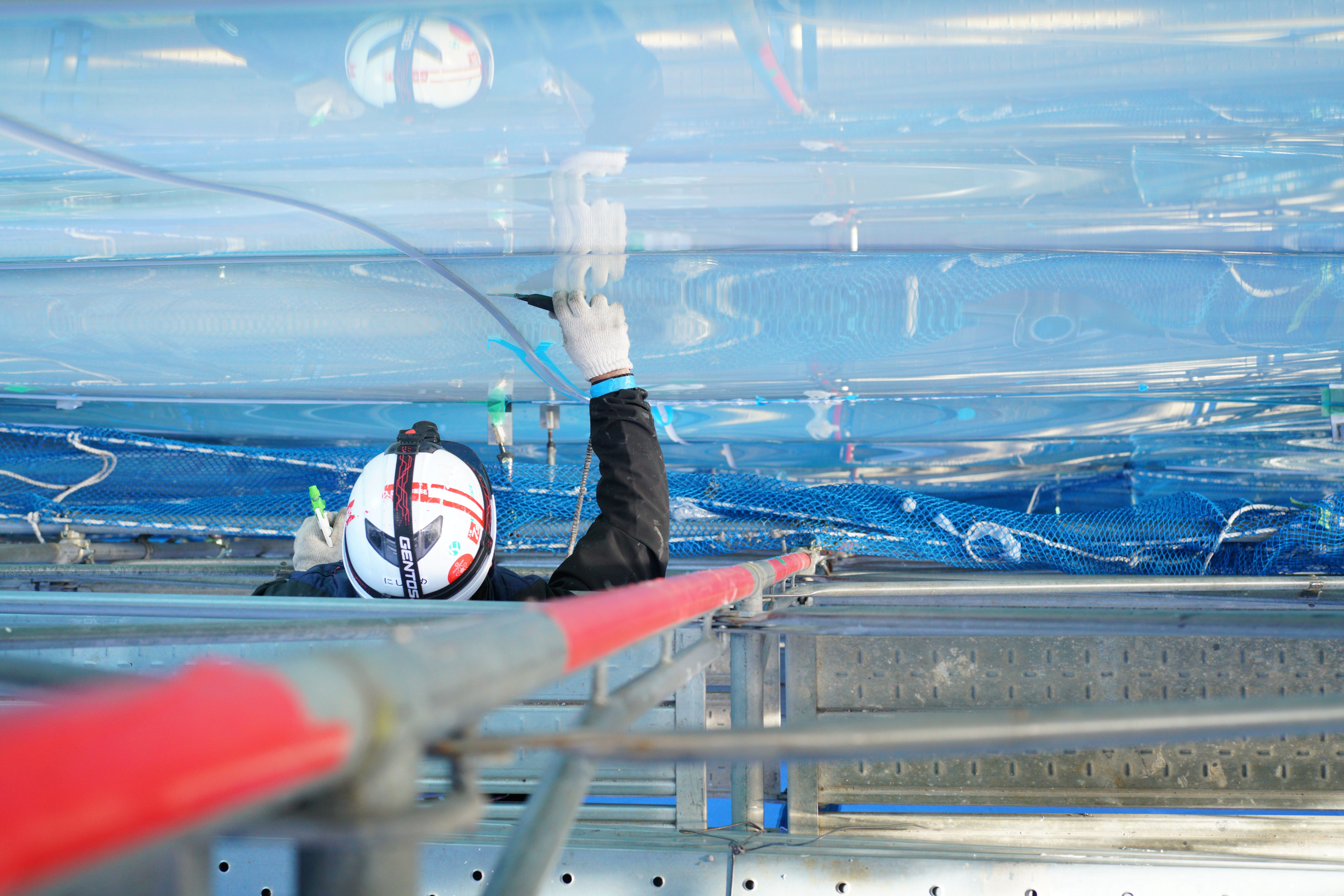
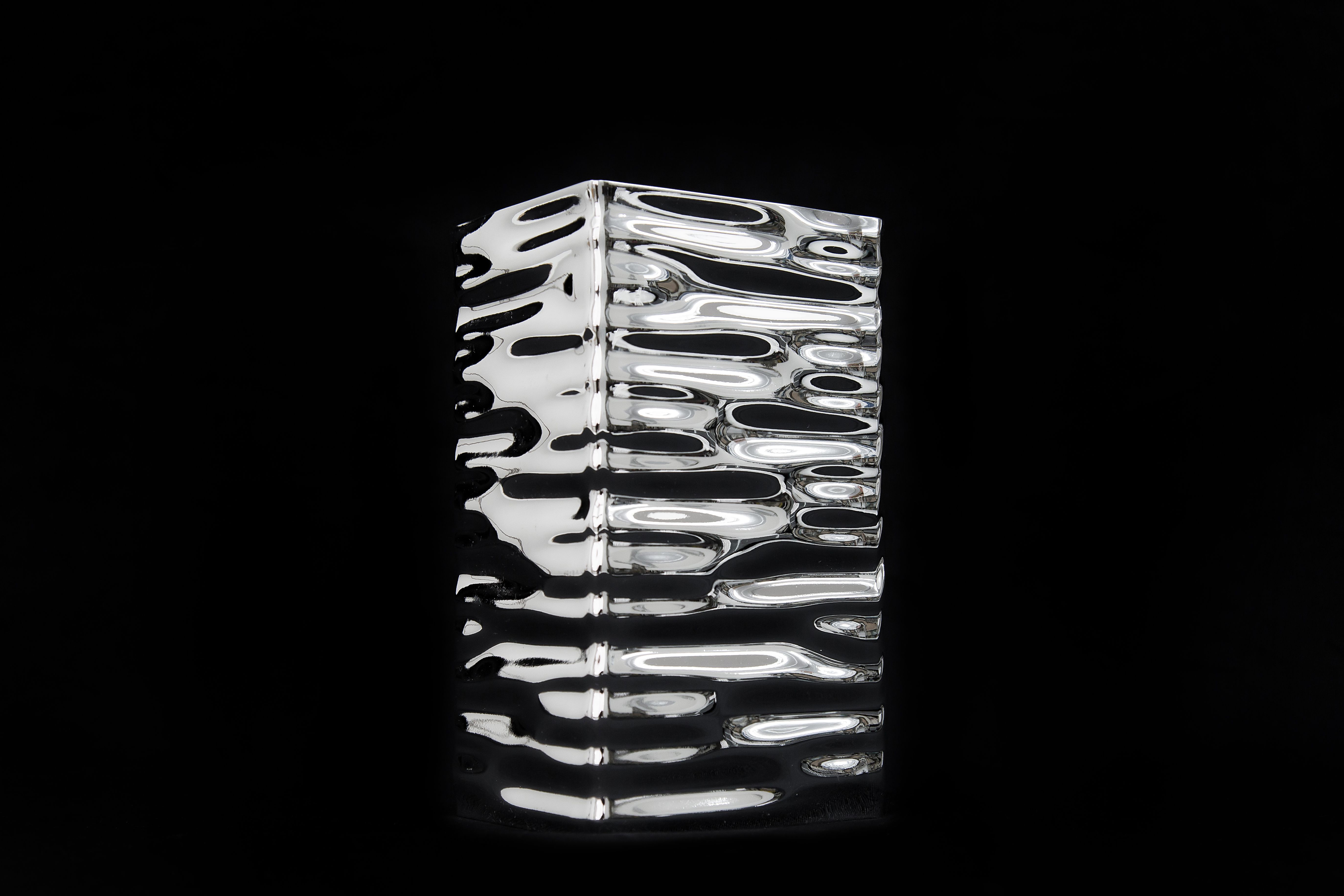
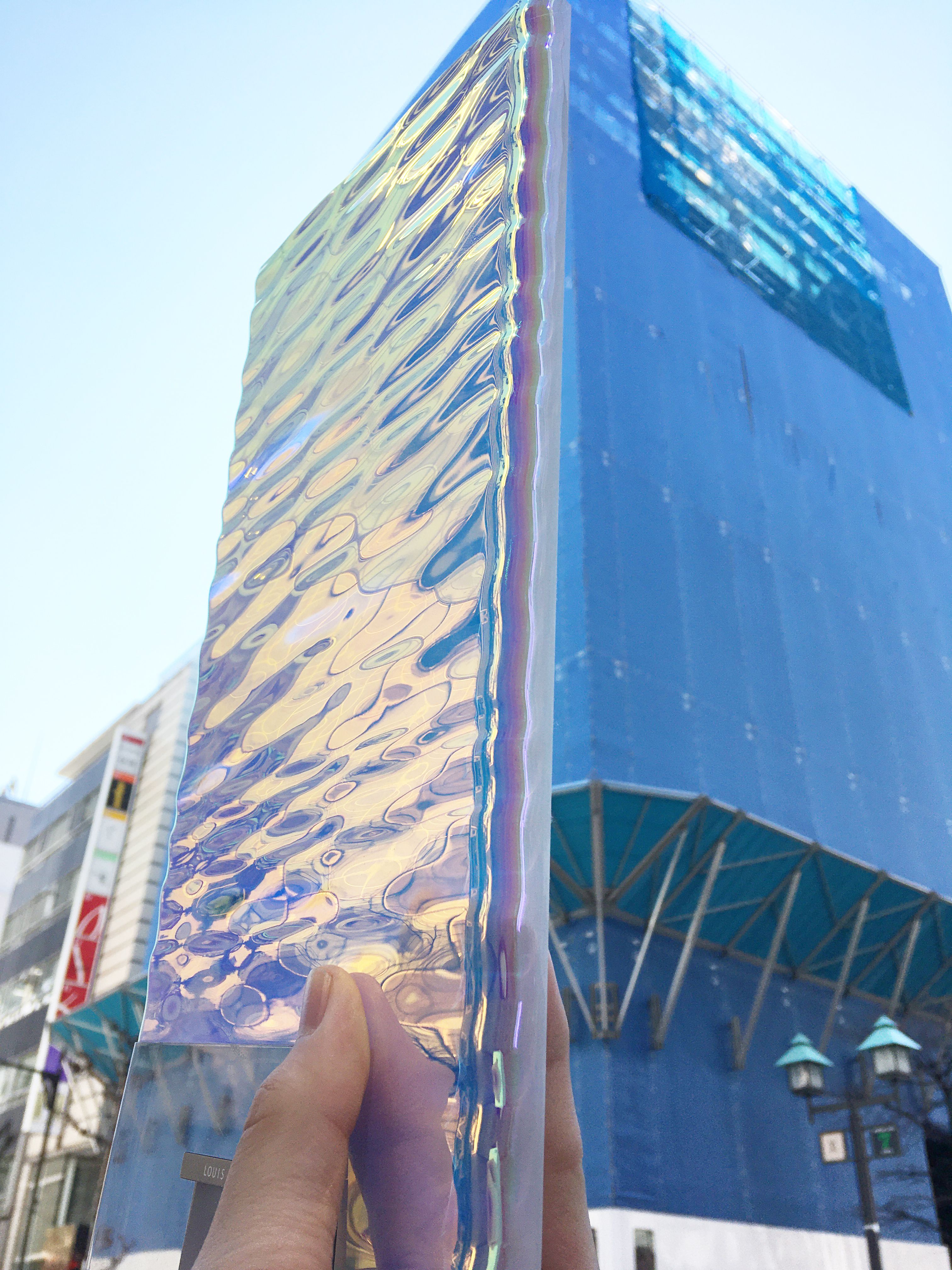
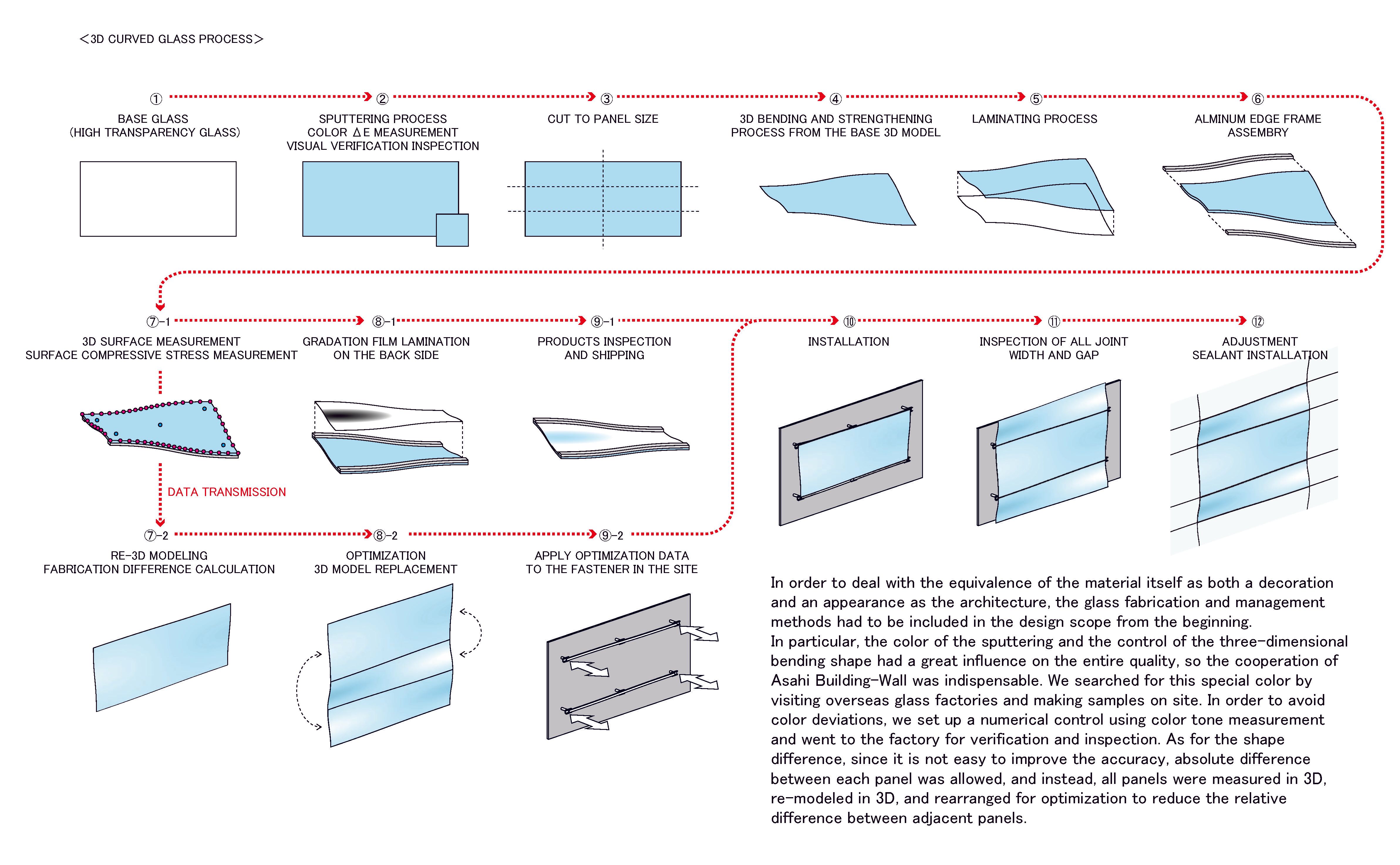
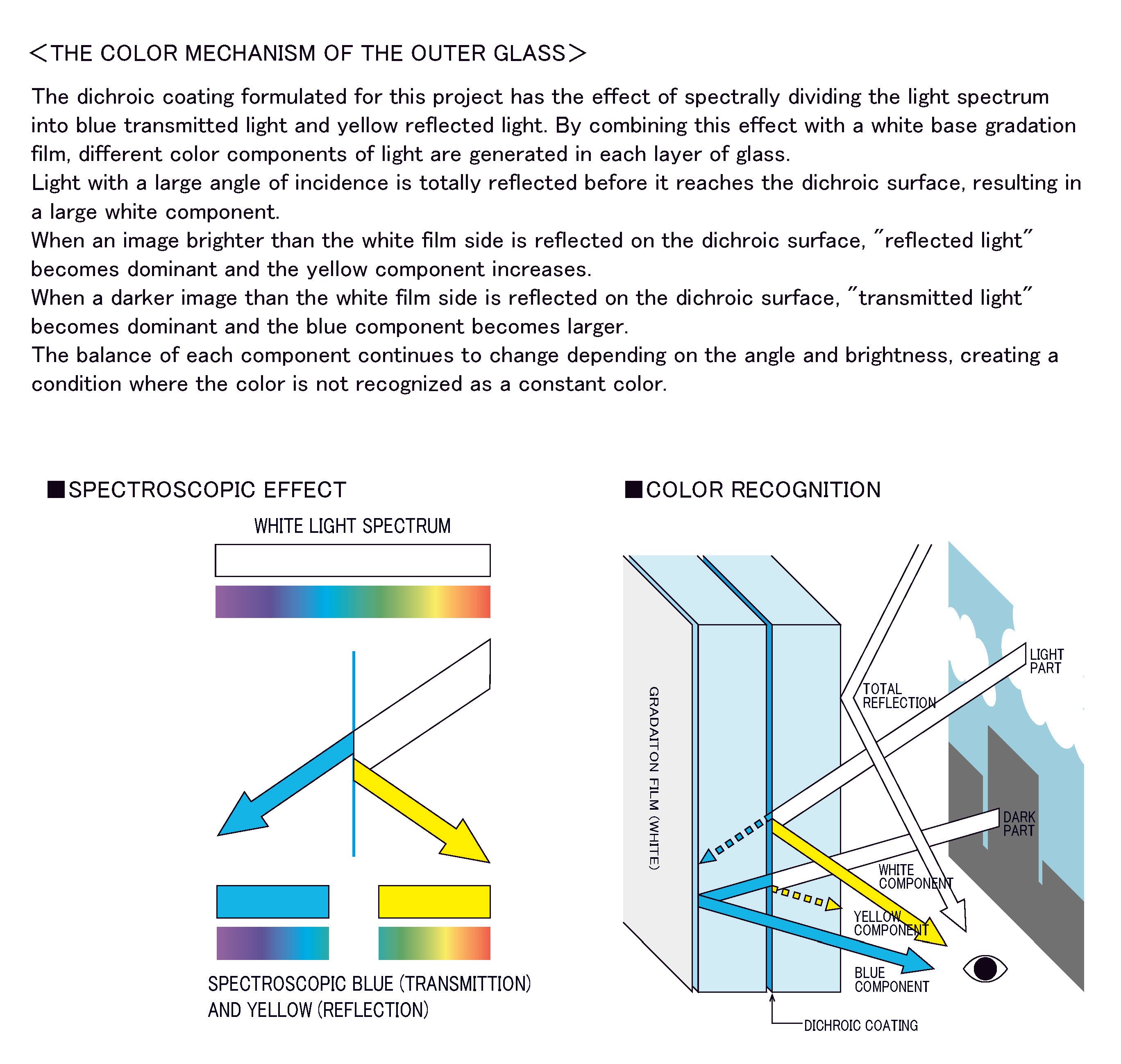
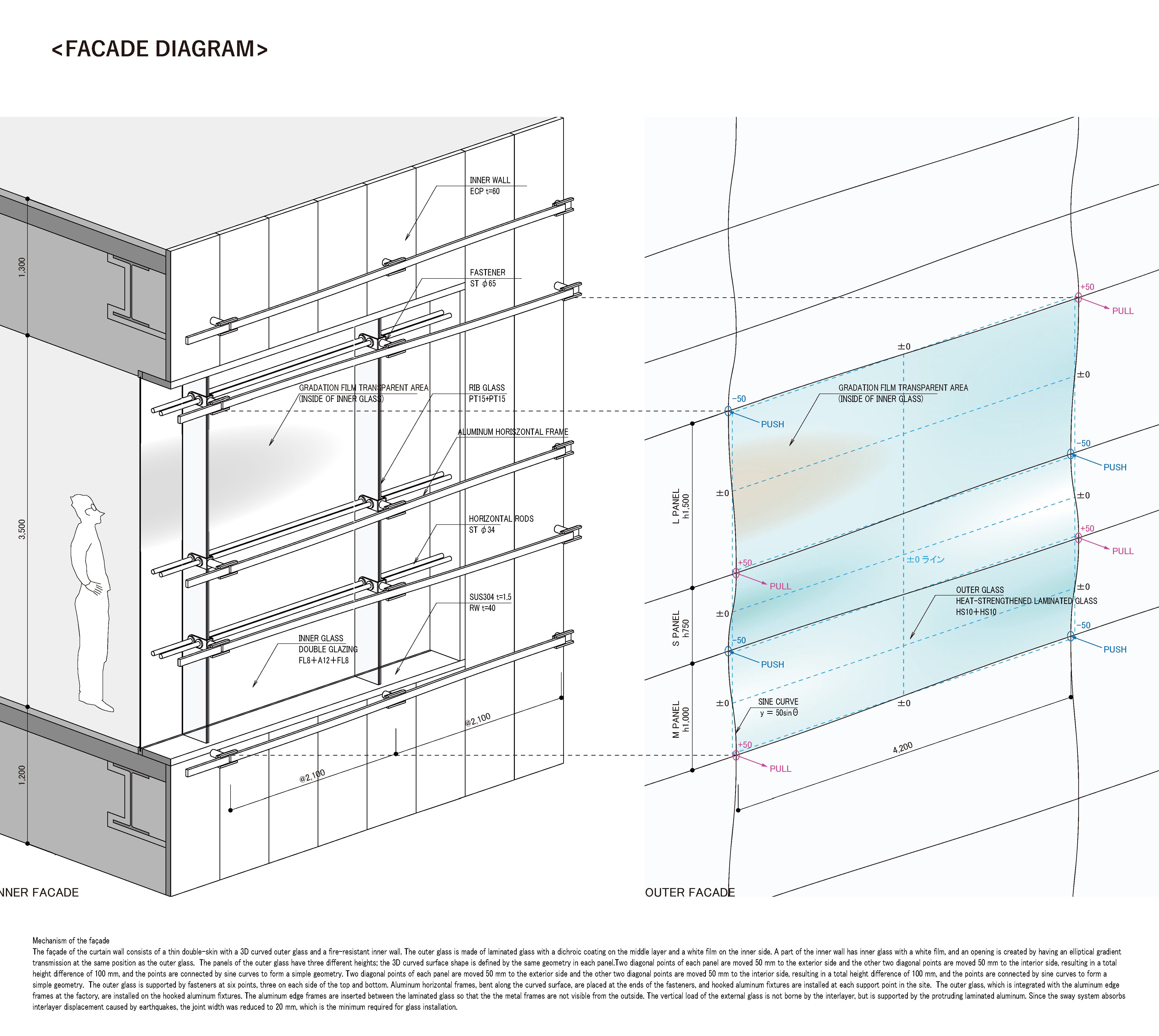
Edomaejima, a long, narrow peninsula jutting out towards the clear blue sea, was once observed from the Edo Castle until its reclamation in the 17th century. Ginza is at the tip of the bygone peninsula, where Louis Vuitton opened its first flagship store in Japan in 1981. The idea of a new “pillar of water” is conceived for the rebuilding of the original architecture.The exterior façade wall consists of three-dimensional curved glass, on which a custom-made dichroic coating is applied. The glass embodies water for its primal color of blue, blended with its complementary color of orange reflecting upon it. The balance between the two hues is dependent on the angle and the brightness in the surrounding, resulting in the surface’s iridescent impression.Transparent gradients in the glass act as portals to outside view as well as external lighting that interrelates with the interior.While visually connecting the interior and exterior of the building, another structural apparatus is implemented; the supporting frame of the 3D façade’s glass is inserted and hidden between the piece of laminated glass, so as to obscure its view and present a smooth, uninterrupted skin that envisages the undulating surfaces of water.On the 3D curved façade surface, distorted images of the surrounding landscape of Ginza are reflected and imposed. At night, the building naturally renders the surrounding light of the glittering billboards of Ginza, without itself imposing the light. What appears on the surface is a manifestation of both here, but also somewhere else.This architecture, clad in natural phenomena, will continue to flow along with the scenery of Ginza.
181_ph_04-1
181_ph_05-1
181_dwg_06-4
181_ph_05-4
181_ph_06-9
181_ph_04-2
Edomaejima, a long, narrow peninsula jutting out towards the clear blue sea, was once observed from the Edo Castle until its reclamation in the 17th century. Ginza is at the tip of the bygone peninsula, where Louis Vuitton opened its first flagship store in Japan in 1981. The idea of a new “pillar of water” is conceived for the rebuilding of the original architecture.The exterior façade wall consists of three-dimensional curved glass, on which a custom-made dichroic coating is applied. The glass embodies water for its primal color of blue, blended with its complementary color of orange reflecting upon it. The balance between the two hues is dependent on the angle and the brightness in the surrounding, resulting in the surface’s iridescent impression.Transparent gradients in the glass act as portals to outside view as well as external lighting that interrelates with the interior.While visually connecting the interior and exterior of the building, another structural apparatus is implemented; the supporting frame of the 3D façade’s glass is inserted and hidden between the piece of laminated glass, so as to obscure its view and present a smooth, uninterrupted skin that envisages the undulating surfaces of water.On the 3D curved façade surface, distorted images of the surrounding landscape of Ginza are reflected and imposed. At night, the building naturally renders the surrounding light of the glittering billboards of Ginza, without itself imposing the light. What appears on the surface is a manifestation of both here, but also somewhere else.This architecture, clad in natural phenomena, will continue to flow along with the scenery of Ginza.
LOUIS VUITTON GINZA NAMIKI (2021) ルイヴィトン 銀座並木 (2021)
181_ph_04-1
181_ph_02-2
181_ph_04-2
181_ph_02-8
181_ph_02-22
181_ph_02-48
181_ph_02-52
181_ph_02-110
181_dwg_06-1
181_dwg_06-2
181_dwg_06-3
181_dwg_06-4
181_ph_06-1
181_ph_06-2
181_ph_06-3
181_ph_06-4
181_ph_06-5
181_ph_06-6
181_ph_06-7
181_ph_06-8
181_ph_06-9
181_ph_05-1
181_ph_05-2
181_ph_05-3
181_ph_05-4
181_scp_01-1
181_scp_01-2
181_scp_01-3
17世紀に埋め立てられるまでは江戸城の眼下に細長く突き出た半島があり、江戸前島と呼ばれていた。銀座はその半島の先端にあり、周囲は青く透明な海だった。1981年にルイ・ヴィトンは日本初の直営店をここに構え、その建替えにより新たに「水の柱」としての建築が構想された。 外壁は特殊なダイクロイック加工を施した3次元曲面ガラスで覆われている。そのガラスは、水を想起させる青系の色調をベースに、その補色であるオレンジ系の色調が反射し、見る角度や明るさによって各色調のバランスが変化するため、一定の色として認識されない色面をつくっている。 グラデーション状に透明度が高くなる領域が部分的につくられ、採光や眺望をもたらす開口部として内部と呼応する。3次元曲面ガラスを支持する枠は合わせガラスの間に差し込み、外部に露出しないようにすることによって、滑らかにうねる水面のような外皮が実現した。 外壁面には周囲の風景が、歪曲した反射像として映り込む。夜間には銀座の煌びやかな看板の灯りを有機的に還元して反射し、自らは発光することなく艶やかに輝く。表層に現象として現れているのは、ここであり、ここでないどこかである。 自然現象をまとったようなこの建築は、銀座の風景とともに変化し続けていく。
181_txt_01-1
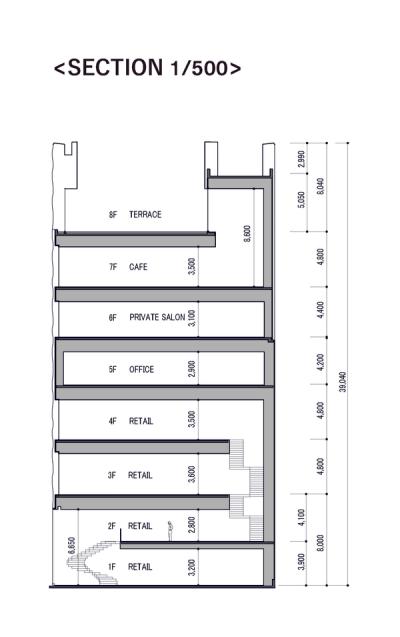
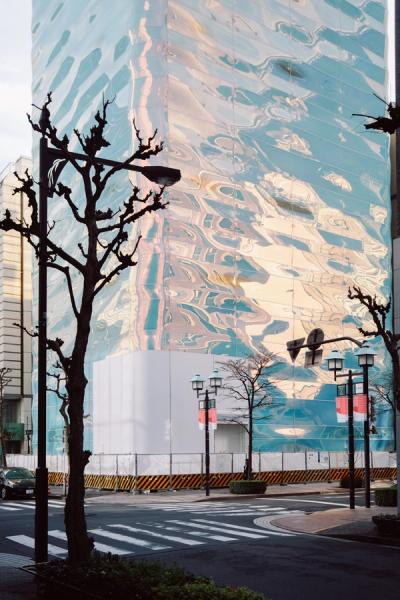
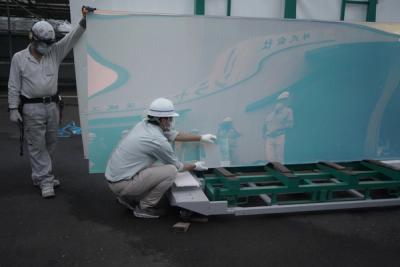
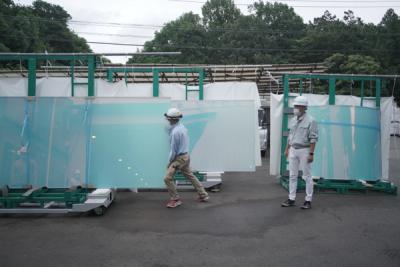
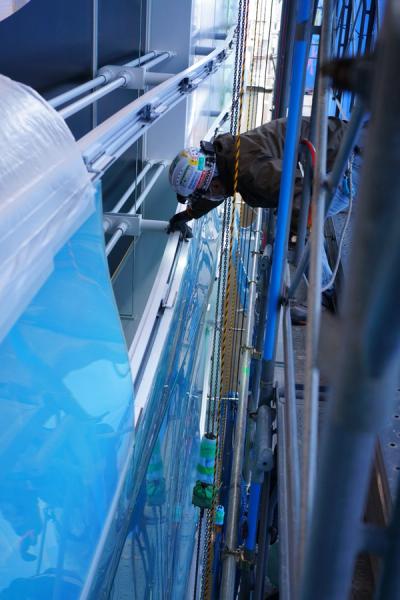
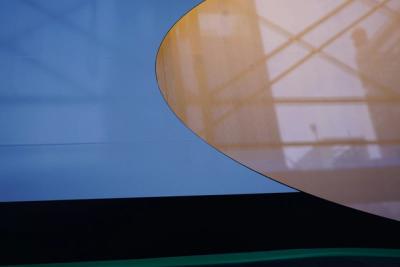
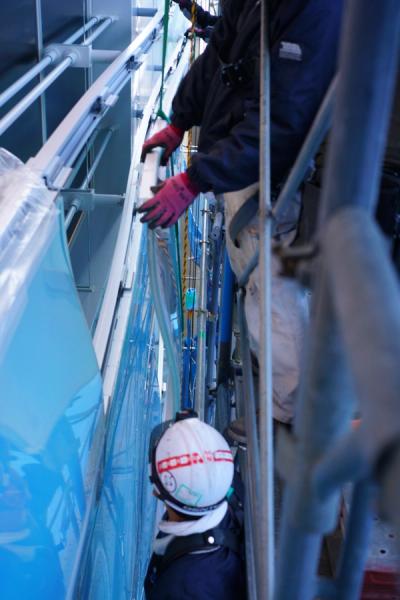
Edomaejima, a long, narrow peninsula jutting out towards the clear blue sea, was once observed from the Edo Castle until its reclamation in the 17th century. Ginza is at the tip of the bygone peninsula, where Louis Vuitton opened its first flagship store in Japan in 1981. The idea of a new “pillar of water” is conceived for the rebuilding of the original architecture.The exterior façade wall consists of three-dimensional curved glass, on which a custom-made dichroic coating is applied. The glass embodies water for its primal color of blue, blended with its complementary color of orange reflecting upon it. The balance between the two hues is dependent on the angle and the brightness in the surrounding, resulting in the surface’s iridescent impression.Transparent gradients in the glass act as portals to outside view as well as external lighting that interrelates with the interior.While visually connecting the interior and exterior of the building, another structural apparatus is implemented; the supporting frame of the 3D façade’s glass is inserted and hidden between the piece of laminated glass, so as to obscure its view and present a smooth, uninterrupted skin that envisages the undulating surfaces of water.On the 3D curved façade surface, distorted images of the surrounding landscape of Ginza are reflected and imposed. At night, the building naturally renders the surrounding light of the glittering billboards of Ginza, without itself imposing the light. What appears on the surface is a manifestation of both here, but also somewhere else.This architecture, clad in natural phenomena, will continue to flow along with the scenery of Ginza.
181_txt_01-2
| No. | 181 181 |
| Title | LOUIS VUITTON GINZA NAMIKI (2021) ルイヴィトン 銀座並木 (2021) |
| Principal use | Retail (main unit, exterior) Retail (main unit, exterior) |
| Structural Design | Kanebako Structural Engineers 金箱構造設計事務所 |
| Facility Design | P.T.Morimura & Associates,LTD 森村設計 |
| Construction | Shimizu Corporation, AGB 清水建設, 旭ビルウォール |
| Architectural Design | AOKI Jun, TAKEUCHI Yoshihiko 青木淳, 竹内吉彦 |
| Design | 2016.05 - 2019.06 2016.05 - 2019.06 |
| Construction | 2019.06 - 2021.01 2019.06 - 2021.01 |
| Location | Chuo-ku, Tokyo 東京都中央区 |
| Floor Area | 2,480m² 2,480m² |
| Number of Stories | 8F 8F |
| Structure | S S |
| URL | https://data.shinkenchiku.online/projects/articles/SK_2021_04_054-0 https://data.shinkenchiku.online/projects/articles/SK_2021_04_054-0 |
Edomaejima, a long, narrow peninsula jutting out towards the clear blue sea, was once observed from the Edo Castle until its reclamation in the 17th century. Ginza is at the tip of the bygone peninsula, where Louis Vuitton opened its first flagship store in Japan in 1981. The idea of a new “pillar of water” is conceived for the rebuilding of the original architecture.The exterior façade wall consists of three-dimensional curved glass, on which a custom-made dichroic coating is applied. The glass embodies water for its primal color of blue, blended with its complementary color of orange reflecting upon it. The balance between the two hues is dependent on the angle and the brightness in the surrounding, resulting in the surface’s iridescent impression.Transparent gradients in the glass act as portals to outside view as well as external lighting that interrelates with the interior.While visually connecting the interior and exterior of the building, another structural apparatus is implemented; the supporting frame of the 3D façade’s glass is inserted and hidden between the piece of laminated glass, so as to obscure its view and present a smooth, uninterrupted skin that envisages the undulating surfaces of water.On the 3D curved façade surface, distorted images of the surrounding landscape of Ginza are reflected and imposed. At night, the building naturally renders the surrounding light of the glittering billboards of Ginza, without itself imposing the light. What appears on the surface is a manifestation of both here, but also somewhere else.This architecture, clad in natural phenomena, will continue to flow along with the scenery of Ginza.
17世紀に埋め立てられるまでは江戸城の眼下に細長く突き出た半島があり、江戸前島と呼ばれていた。銀座はその半島の先端にあり、周囲は青く透明な海だった。1981年にルイ・ヴィトンは日本初の直営店をここに構え、その建替えにより新たに「水の柱」としての建築が構想された。 外壁は特殊なダイクロイック加工を施した3次元曲面ガラスで覆われている。そのガラスは、水を想起させる青系の色調をベースに、その補色であるオレンジ系の色調が反射し、見る角度や明るさによって各色調のバランスが変化するため、一定の色として認識されない色面をつくっている。 グラデーション状に透明度が高くなる領域が部分的につくられ、採光や眺望をもたらす開口部として内部と呼応する。3次元曲面ガラスを支持する枠は合わせガラスの間に差し込み、外部に露出しないようにすることによって、滑らかにうねる水面のような外皮が実現した。 外壁面には周囲の風景が、歪曲した反射像として映り込む。夜間には銀座の煌びやかな看板の灯りを有機的に還元して反射し、自らは発光することなく艶やかに輝く。表層に現象として現れているのは、ここであり、ここでないどこかである。 自然現象をまとったようなこの建築は、銀座の風景とともに変化し続けていく。
Edomaejima, a long, narrow peninsula jutting out towards the clear blue sea, was once observed from the Edo Castle until its reclamation in the 17th century. Ginza is at the tip of the bygone peninsula, where Louis Vuitton opened its first flagship store in Japan in 1981. The idea of a new “pillar of water” is conceived for the rebuilding of the original architecture.The exterior façade wall consists of three-dimensional curved glass, on which a custom-made dichroic coating is applied. The glass embodies water for its primal color of blue, blended with its complementary color of orange reflecting upon it. The balance between the two hues is dependent on the angle and the brightness in the surrounding, resulting in the surface’s iridescent impression.Transparent gradients in the glass act as portals to outside view as well as external lighting that interrelates with the interior.While visually connecting the interior and exterior of the building, another structural apparatus is implemented; the supporting frame of the 3D façade’s glass is inserted and hidden between the piece of laminated glass, so as to obscure its view and present a smooth, uninterrupted skin that envisages the undulating surfaces of water.On the 3D curved façade surface, distorted images of the surrounding landscape of Ginza are reflected and imposed. At night, the building naturally renders the surrounding light of the glittering billboards of Ginza, without itself imposing the light. What appears on the surface is a manifestation of both here, but also somewhere else.This architecture, clad in natural phenomena, will continue to flow along with the scenery of Ginza.